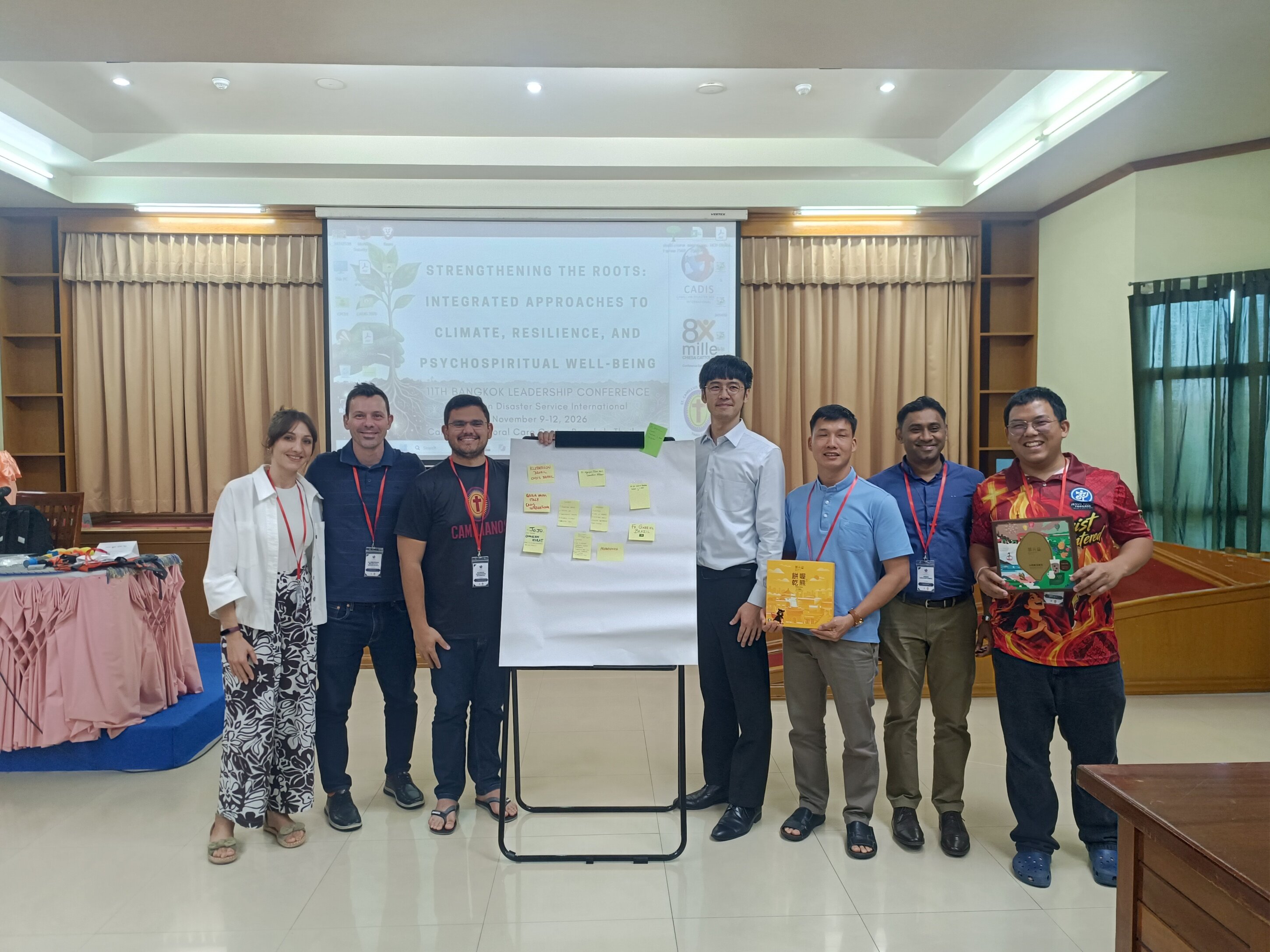
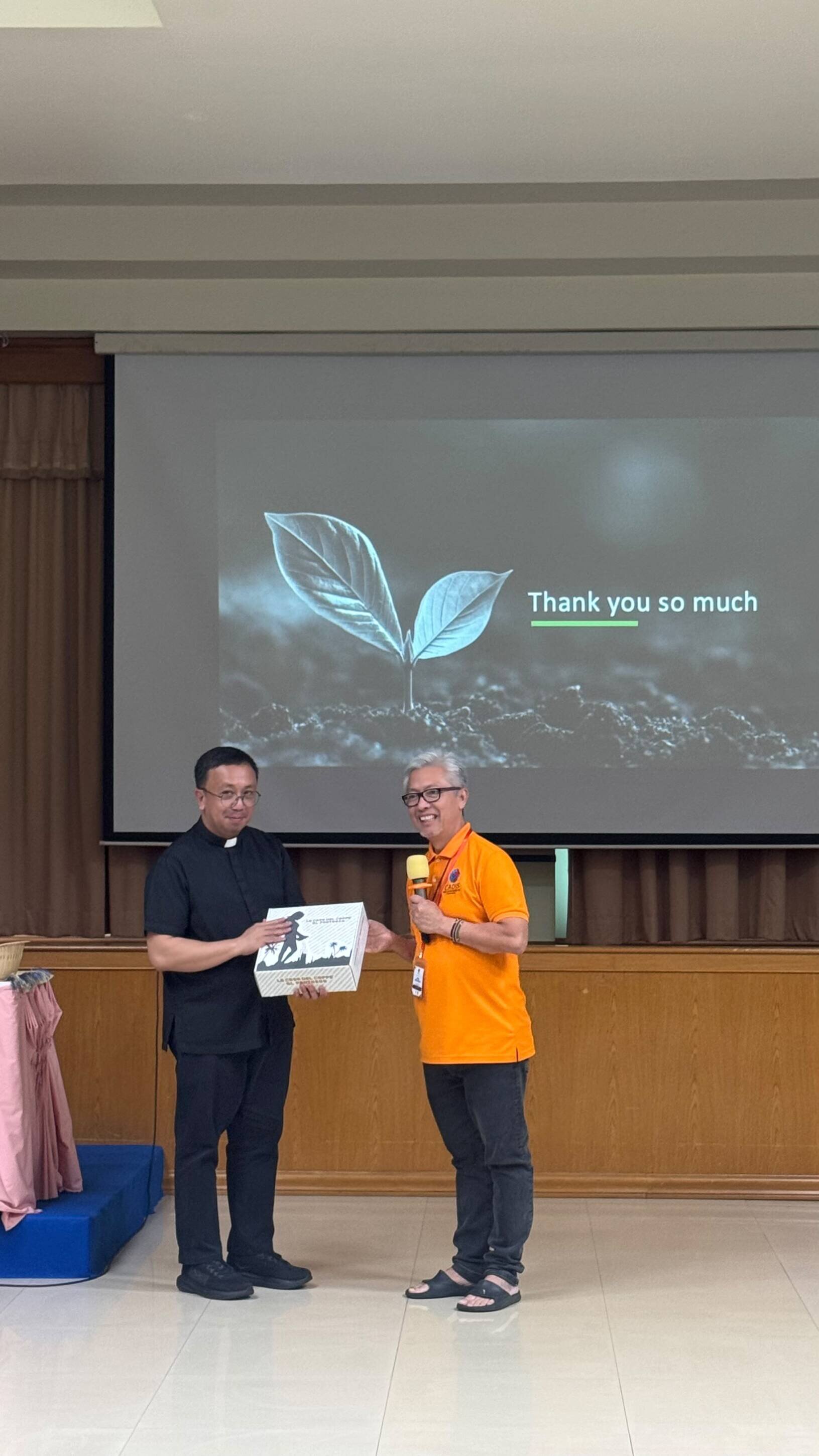
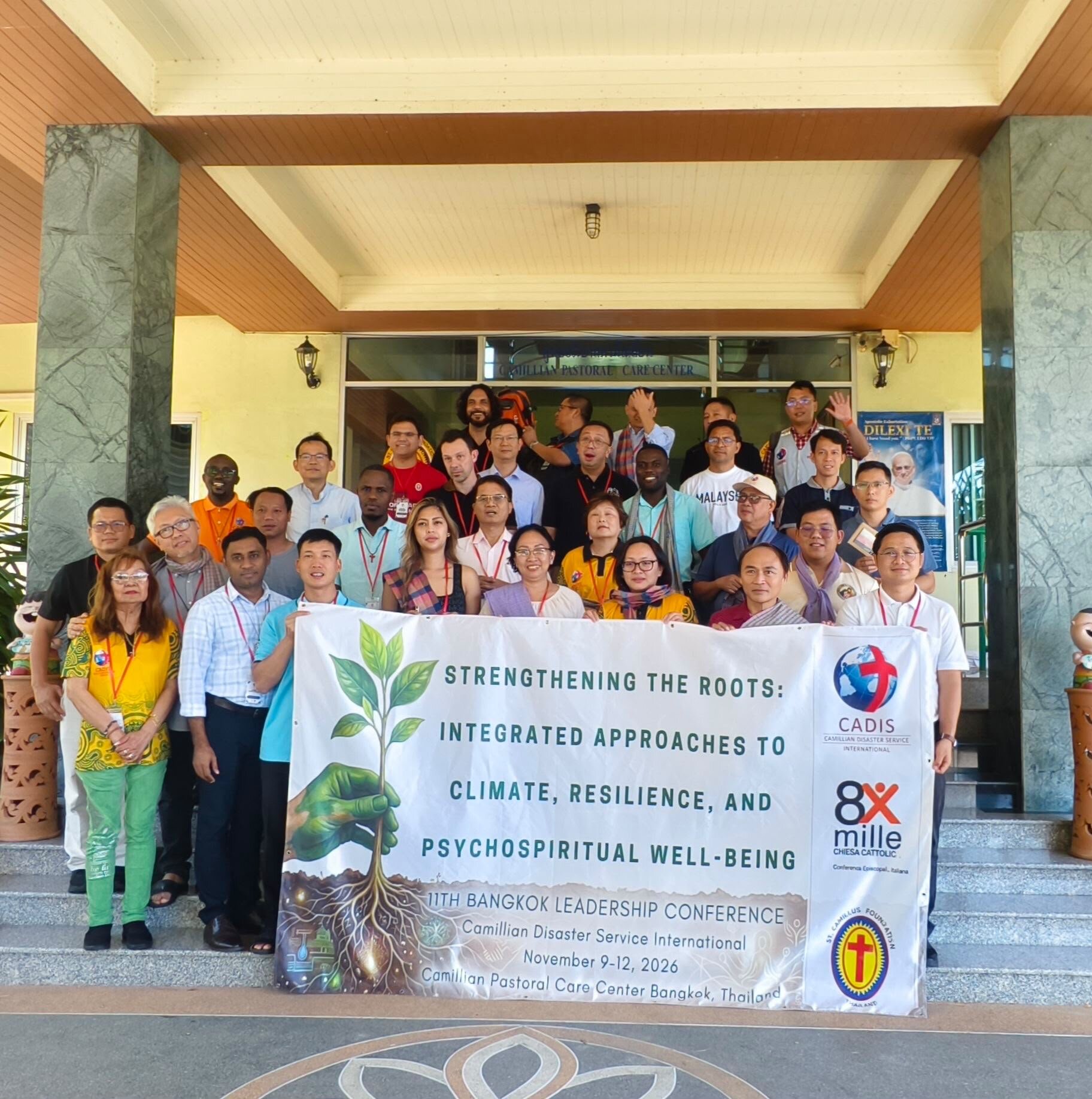
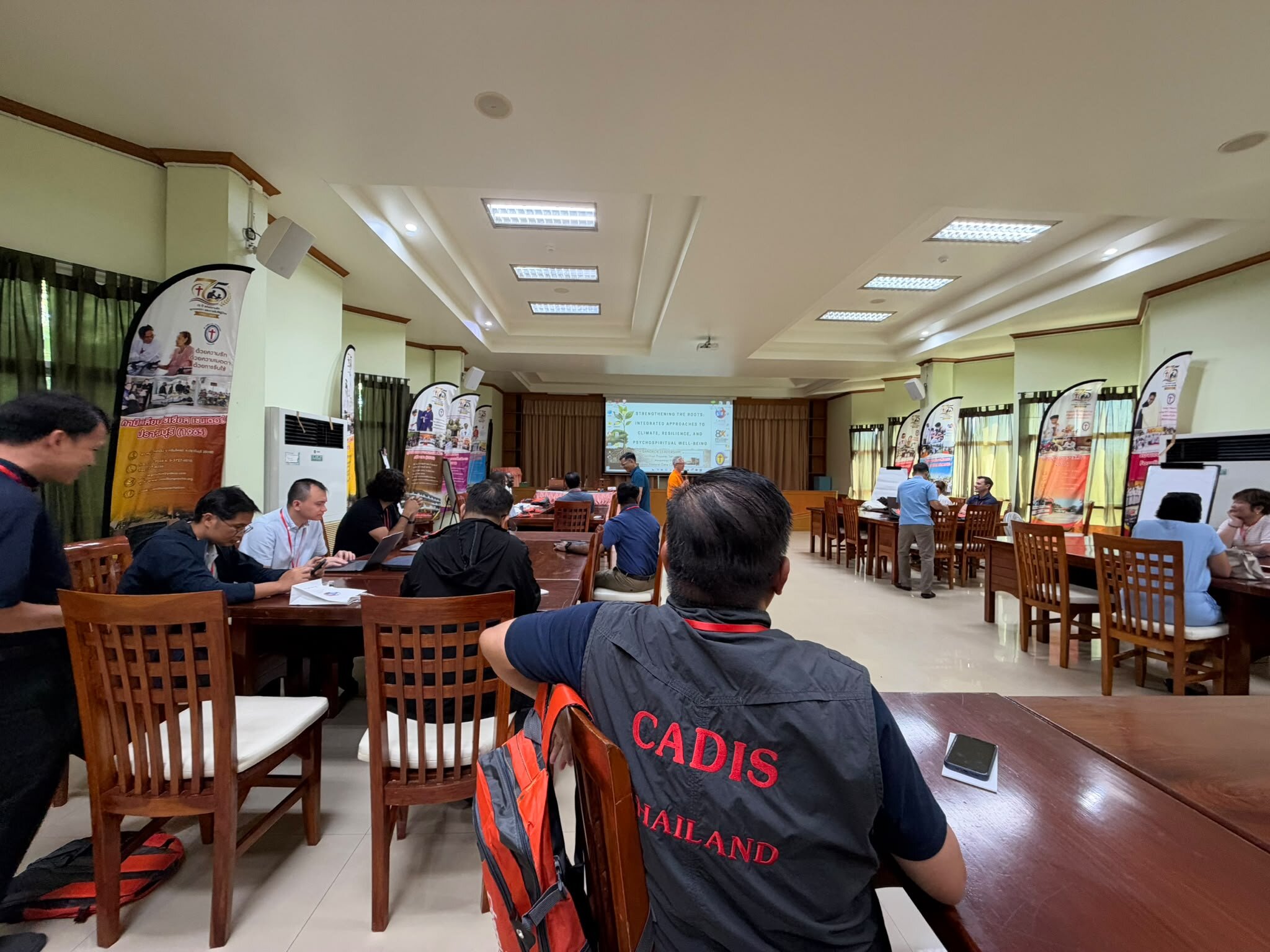
BANGKOK, Thailand — The 11th Leadership Conference of the Camillian Disaster Service International (CADIS) officially started today at the St. Camillus Pastoral Center in Latkrabang, Bangkok. Bringing together global leaders, disaster relief practitioners, and community partners, the first day of the conference focused on actionable frameworks for community-based disaster risk reduction and multi-sectoral emergency management.
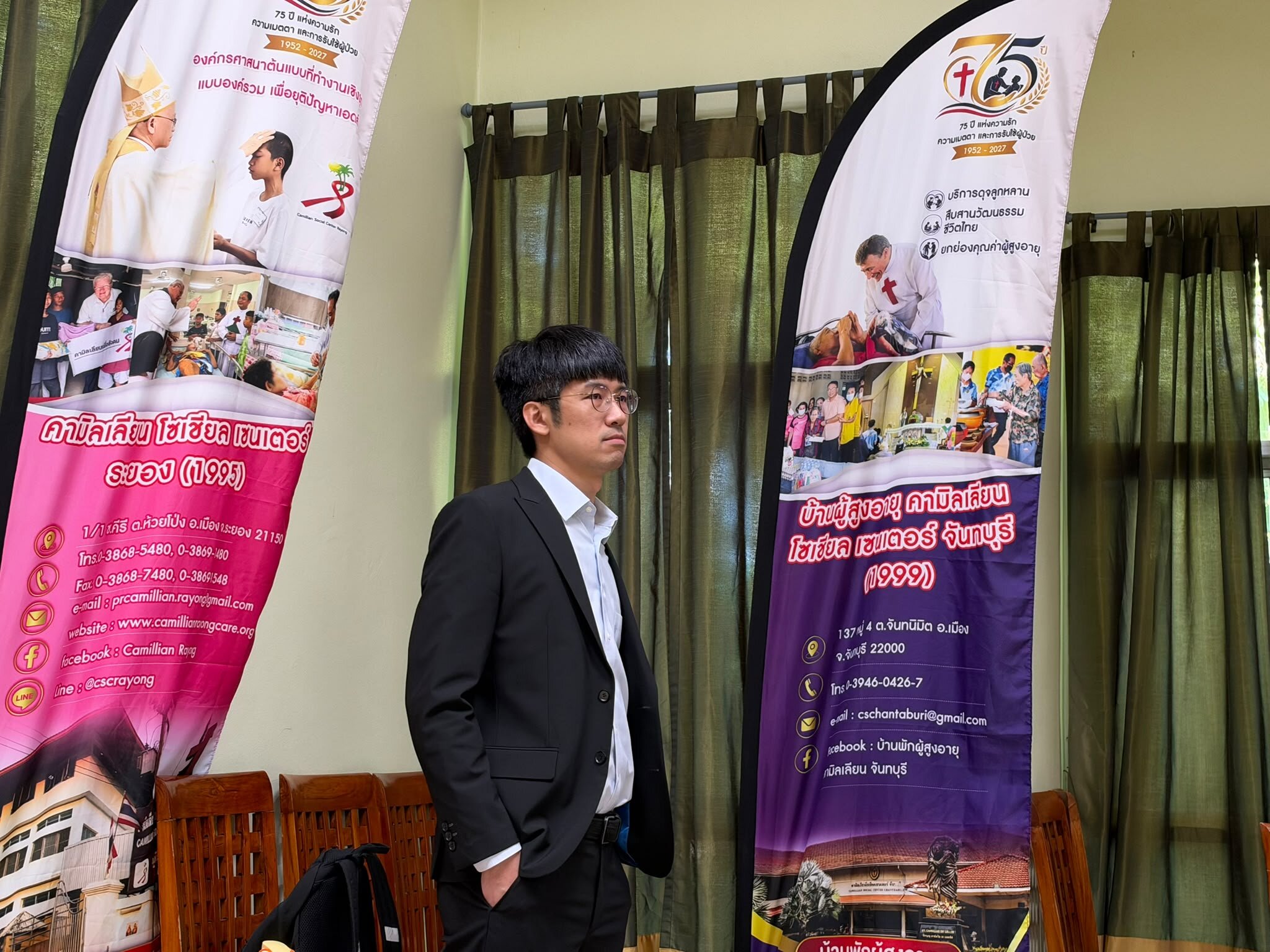
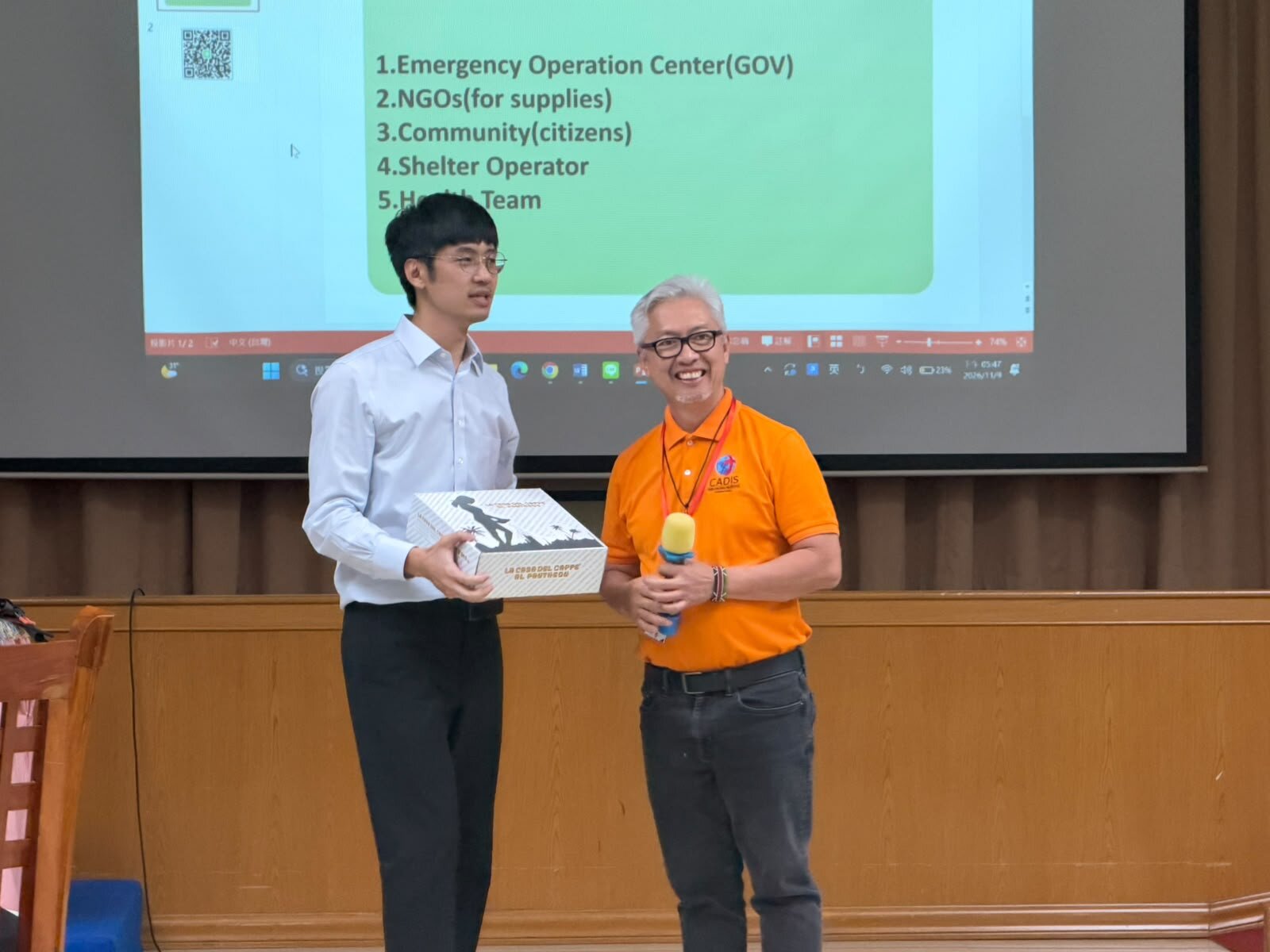
A featured presentation on Day 1 was delivered by Mr. Fang-Ming Kuo, Section Chief at the National Fire Agency, Ministry of the Interior (Taiwan). Drawing from extensive regional crisis management experiences and international case studies, Mr. Kuo outlined key strategies for building resilient communities capable of effective self-help and mutual aid during catastrophic events.
Key Takeaways from the Opening Sessions
1. Historical Lessons and the Shift Toward Community Preparedness
Mr. Kuo highlighted critical data from the 1995 Great Hanshin Earthquake in Japan (Magnitude 7.3), where post-earthquake survey statistics revealed that:
- 70% of citizens escaped by relying on themselves or family members.
- 20% relied on assistance from neighbors and friends.
- Only 10% received timely government assistance in the immediate aftermath.
These statistics underscore a central truth in disaster management. In the early stages of a disaster, self-help and mutual aid among citizens are the primary keys to survival. This lesson prompted Japan to establish its Disaster Relief Volunteer system and inspired Taiwan’s Ministry of the Interior to initiate specialized Disaster Relief Volunteer training frameworks starting in 2018.
2. Core Pillars of Disaster Relief Volunteers
The conference presented a tri-part model defining the core values of disaster relief volunteers operating before formal government resources arrive:
- Self-Help: Protecting the safety of oneself and one's family.
- Mutual Aid: Actively assisting trapped or affected neighbors within local communities.
- Collaboration: Assisting government agencies in performing basic disaster prevention, mitigation, and immediate relief tasks.
Together, these pillars bridge the gap between citizens and public assistance, forming the foundation for Resilient Communities and Disaster Relief Collaboration Centers.
3. Core Capacities for Resilient Communities
Building resilience requires developing three essential community capacities:
- Capacity to Withstand Disasters: Improving physical infrastructure, establishing organizational arrangements, and investing heavily in preparedness training.
- Capacity to Respond and Mobilize: Conducting regular disaster exercises to enable rapid deployment during an emergency.
- Capacity to Recover Quickly: Defining clear responsibilities, fostering collaboration, and organizing efficient post-disaster recovery operations.
4. The 8-Step Plan to Implement Resilient Communities
Mr. Kuo detailed an 8-step roadmap for developing resilient communities at the local level:
- Convene Joint Meetings and Establish Organizations: Form consensus and create local disaster prevention committees.
- Identify Community Risks: Conduct thorough local hazard mapping.
- Enhance Risk Awareness: Raise community consciousness regarding disaster prevention and response concepts.
- Assess Vulnerabilities and Losses: Evaluate community exposure and potential damage scenarios.
- Cross-Domain Collaboration and Resource Inventory: Map local resources and foster inter-agency cooperation.
- Apply Community Organizational Models: Adapt organizational structures to local realities.
- Conduct Drills and Tabletop Exercises: Execute practical simulations and functional tests.
- Pre-Disaster Reconstruction Training: Prepare community members for post-event rehabilitation.
5. Institutional Structure: Disaster Relief Collaboration Centers (DRCC)
To operationalize volunteer efforts, the session explored the structure of Disaster Relief Collaboration Centers (DRCC) at the township/district level. Working directly under local Emergency Operations Centers, DRCCs integrate local volunteers, NGOs, resilient community members, and substitute military service personnel under a Director and Deputy Director.
The DRCC operational structure includes three primary functional teams:
- Evacuation Team: Assists with community evacuation and relocation.
- Shelter Operations Team: Manages the setup, opening, and operations of temporary shelters.
- Supplies Distribution Team: Handles the receipt, organization, and distribution of emergency relief goods.
Looking Ahead
Day 1 set a proactive tone for the 11th CADIS Leadership Conference, highlighting that empowering local communities and standardizing volunteer collaboration are crucial steps toward mitigating disaster impacts globally. Conference proceedings will continue over the coming days, focusing on localized leadership, humanitarian intervention strategies, and sustainable recovery models.