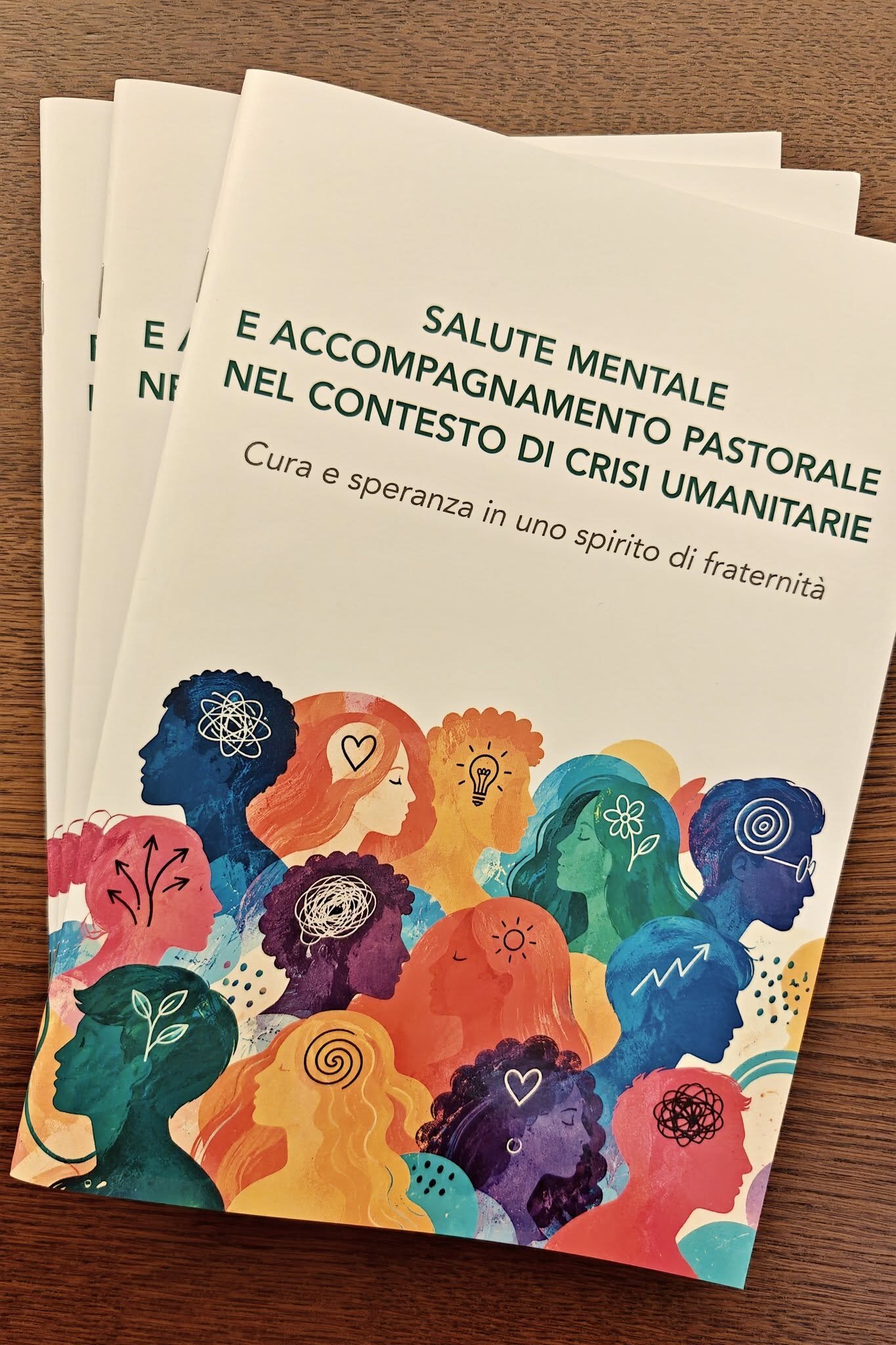
ROME — On October 13–14, 2026, the Camillian Disaster Service International (CADIS) actively participated in high-level study sessions dedicated to the newly finalized document, “Mental Health and Pastoral Accompaniment in Humanitarian Contexts: Care and Hope in a Spirit of Fraternity.” Developed in close collaboration with the Dicastery for the Promotion of Integral Human Development (DPIHD), Universidade Católica Portuguesa, and the Scalabrini International Migration Institute (SIMI), the document marks a milestone in recognizing psychosocial and spiritual care as fundamental components of emergency response and long-term disaster recovery.
CADIS has been part of the team, represented by Dr. Consuelo Santamaria and Fr. Dan Vincente Cancino, MI, who are members of CADIS’ Board of Directors, that studied and developed ideas that resulted in the publication of this document.
The presentation of the draft began yesterday, October 13, with an open session bringing together international faith-based organizations, pastoral ministers, and humanitarian actors. The discussions continued today, October 14, in a closed-door expert meeting focused on operationalizing the document’s nine core pathways in complex field environments.
CADIS was represented throughout the study sessions by key members of its leadership and technical experts: Fr. Dan Cancino, MI, Dr. Consuelo Santamaría, and Fr. Aris Miranda, MI. Drawing directly from CADIS’s decade of field experience—recently memorialized in the publication Faith in Action: A Decade of Resilience and Compassion with CADIS—the delegation shared critical insights on implementing holistic care in disaster zones.
During the discussions, the CADIS team emphasized the vital connection between clinical mental health support and spiritual accompaniment:
- Integral Human Development: CADIS reiterated that emergency response must move beyond physical aid to honor the whole person—body, mind, and spirit. Pastoral care provides an anchor of hope and meaning when communities face catastrophic loss, enabling survivors to actively participate in their own recovery.
- Community Resilience & Destigmatization: Dr. Consuelo Santamaría highlighted the necessity of supporting families affected by severe mental health conditions and trauma, stressing that parish communities must become safe, inclusive spaces that dismantle social stigma and restore belonging.
- Caring for the Caregivers: Fr. Dan Cancino, MI, underscored the emotional and spiritual strain carried by humanitarian responders and pastoral teams living "in the same storm" as those they serve. He emphasized the document's vision of shifting from vertical models of aid to fraternal, mutual support to protect field workers from compassion fatigue and burnout.
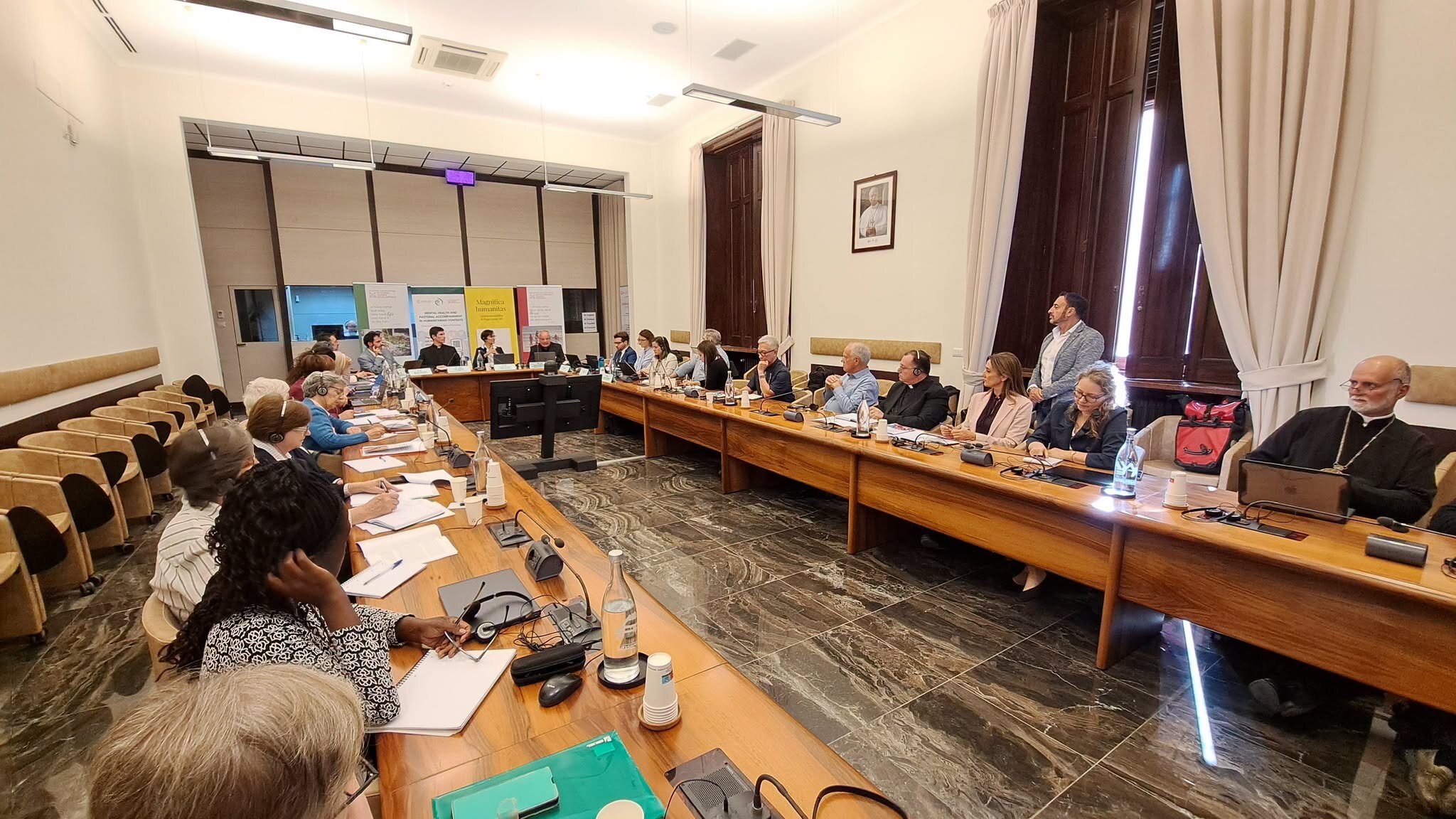
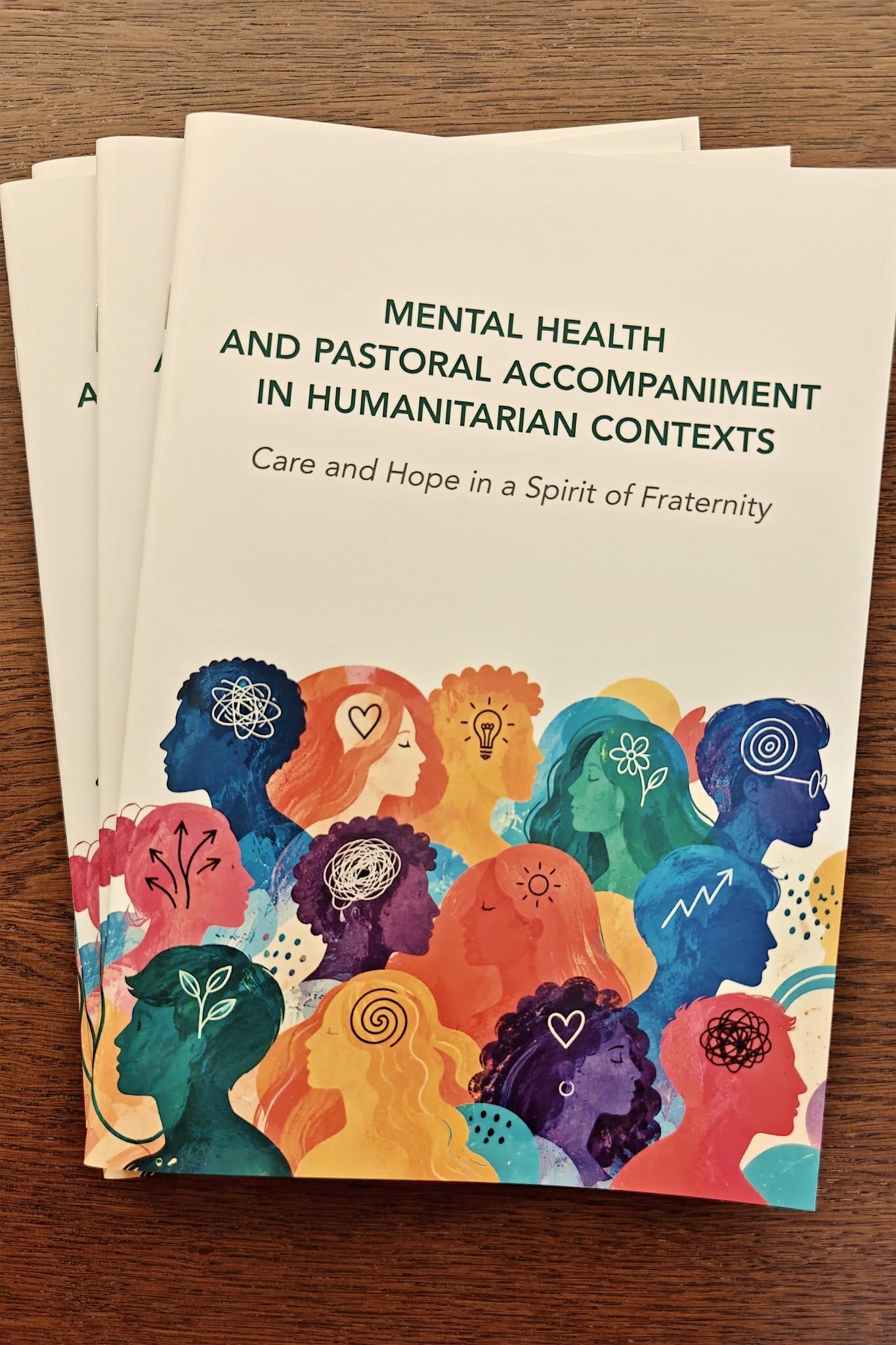
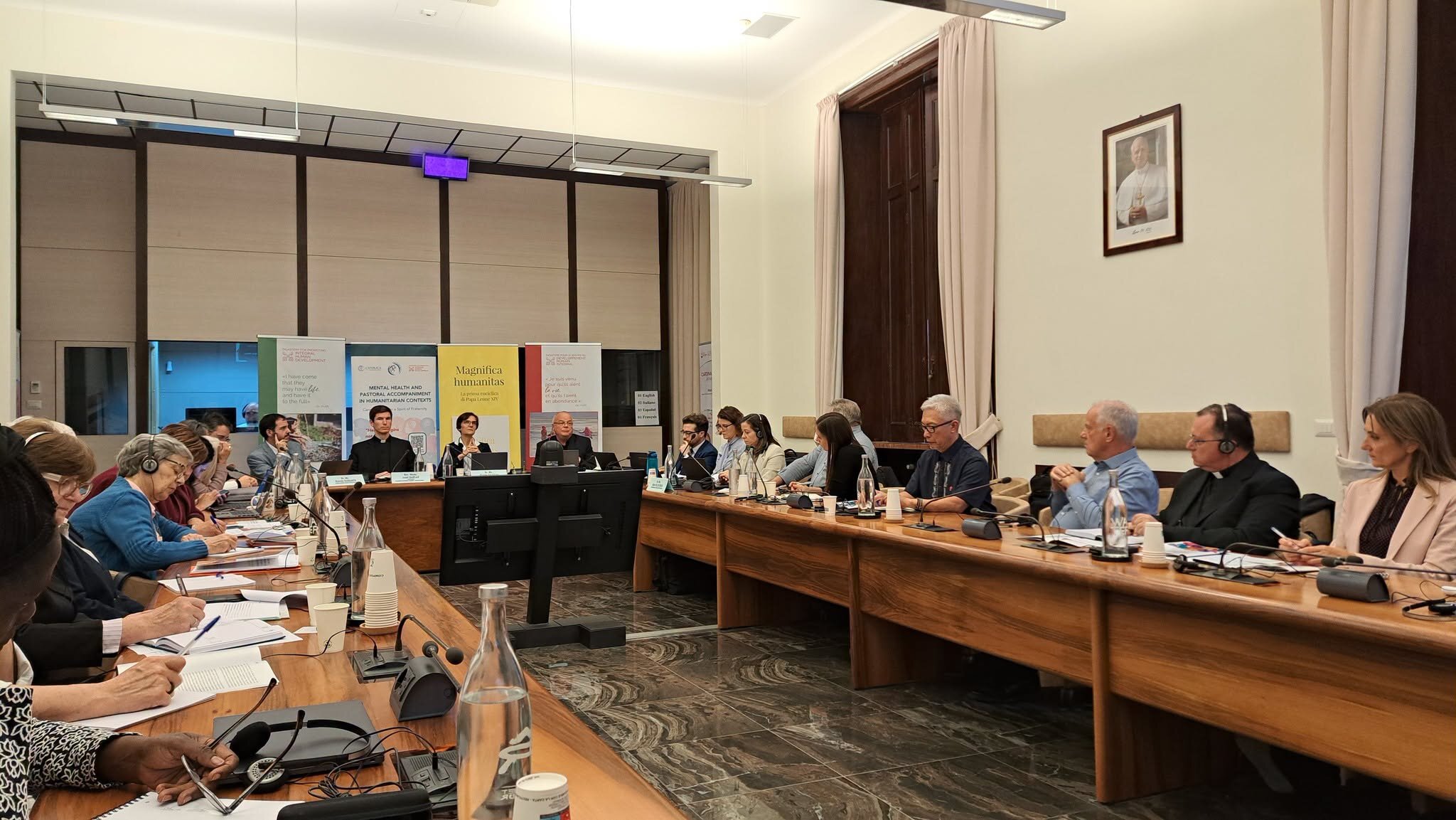
With the formal study sessions concluded, CADIS will partner with the Dicastery for the Promotion of Integral Human Development to take the next critical step: disseminating the document globally and translating its guidelines into concrete pastoral practice. CADIS plans to leverage its global network across Asia, Africa, Europe, and the Americas to roll out localized training modules, practical field manuals, and psychological first aid (PFA) protocols for pastoral workers, religious communities, and disaster response teams.
By bridging theological reflection with practical humanitarian action, CADIS remains committed to walking alongside wounded communities—ensuring that where suffering is present, care, dignity, and fraternity remain steadfast.
For CADIS, the Dicastery’s document confirms a conviction that has guided our humanitarian mission for the past decade: we cannot separate the care of the body from the care of the mind and spirit, nor the healing of individuals from the restoration of relationships and communities. Our experience shows that compassion becomes transformative when it is accompanied by competence, sustained presence, professional collaboration, and the active participation of affected communities. The next step is to make this integral approach more systematic through formation, referral networks, caregiver support, and shared learning, so that pastoral accompaniment becomes a sustained and responsible contribution to mental health in humanitarian contexts.
READ, SHARE AND DOWNLOAD THE DOCUMENT HERE
AVAILABLE IN FIVE LANGUAGES