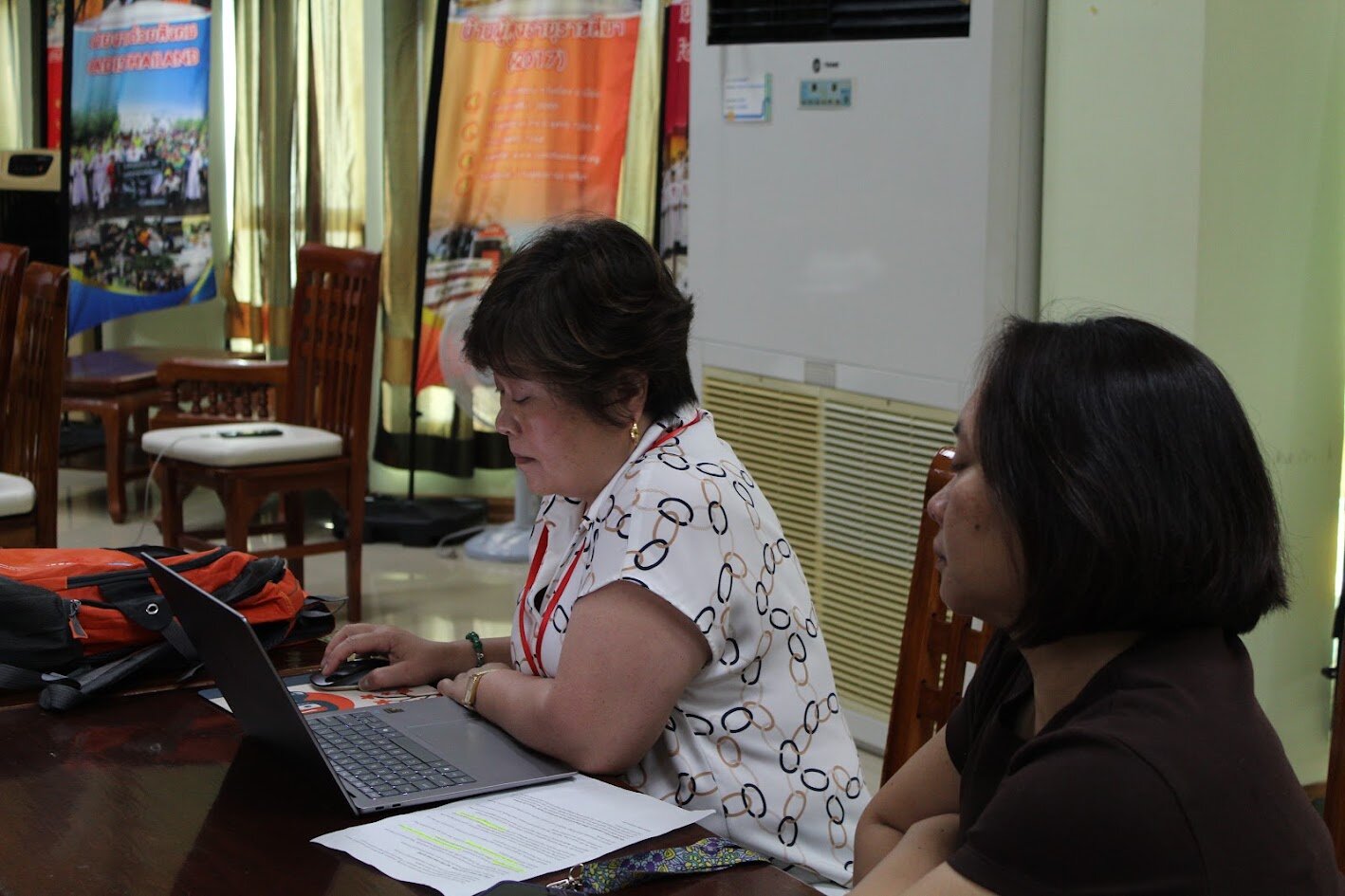
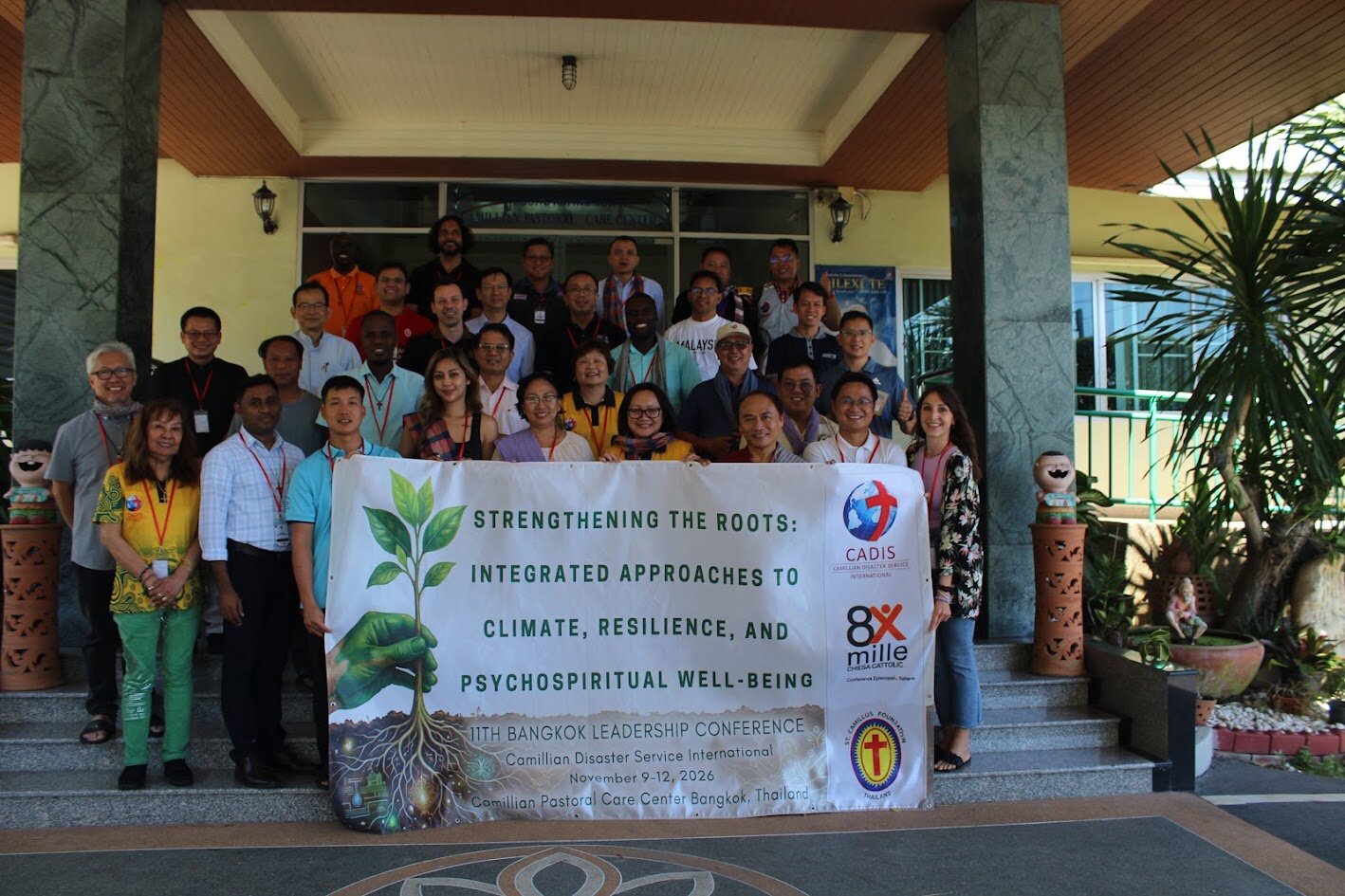
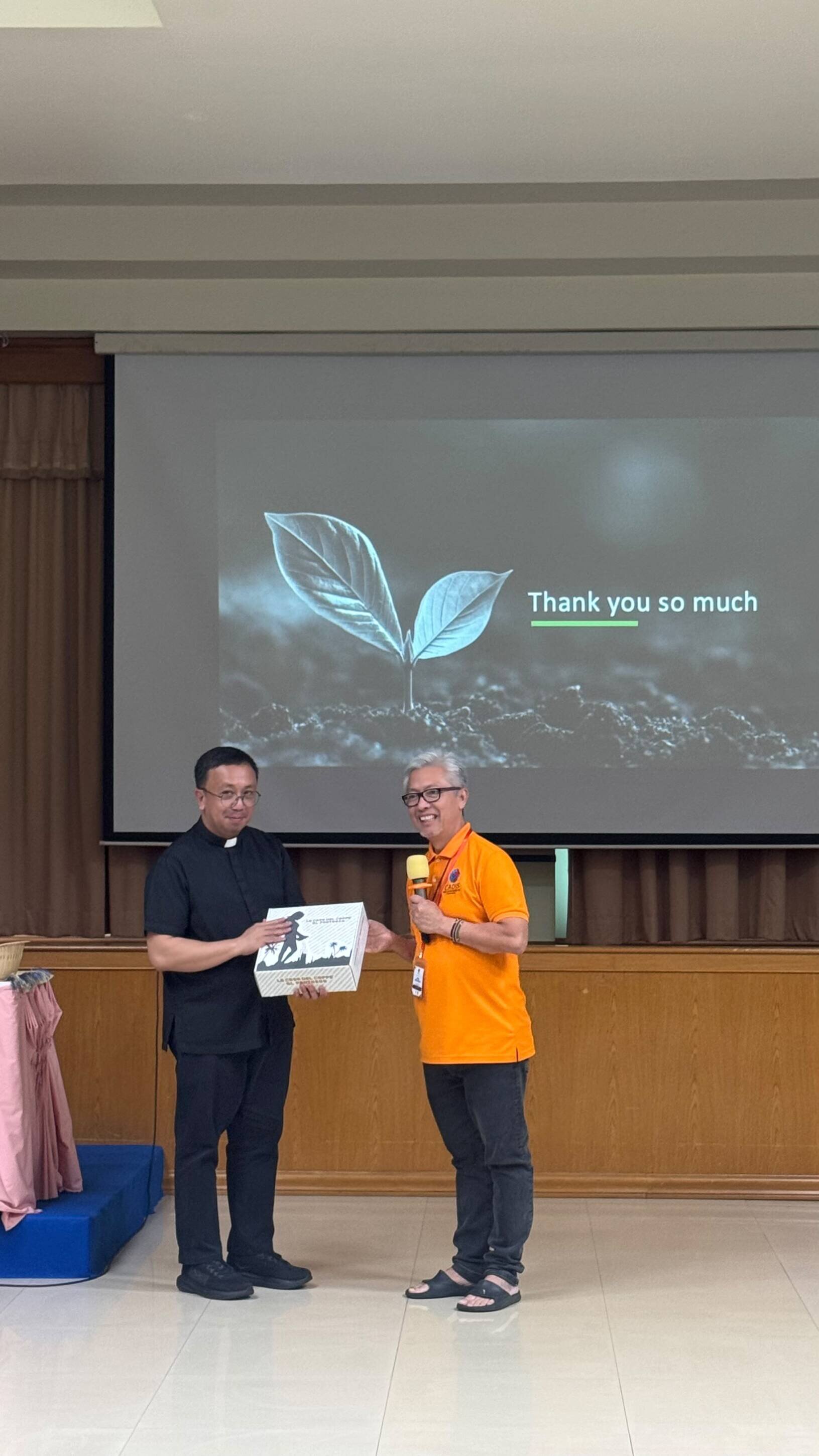
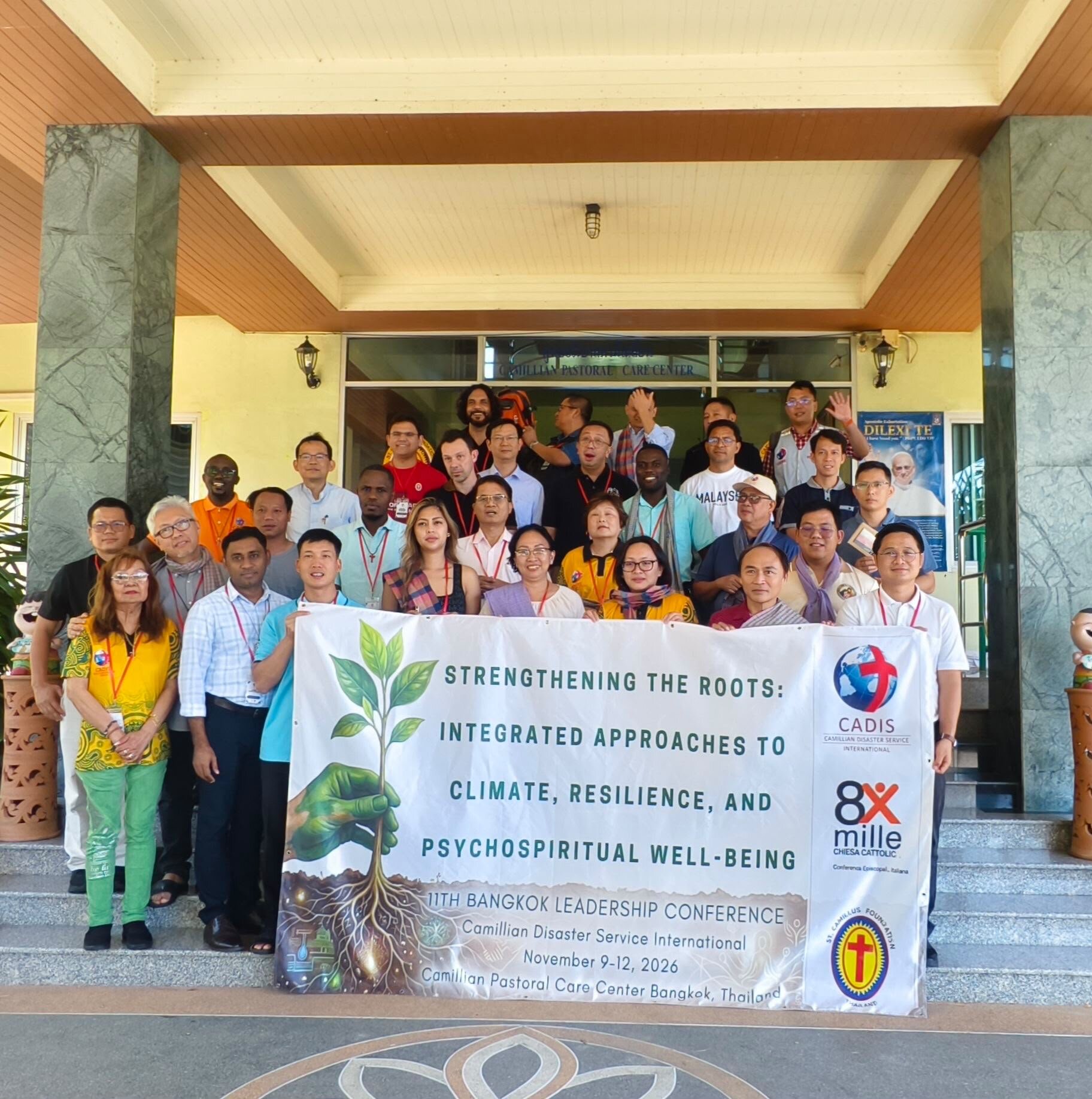
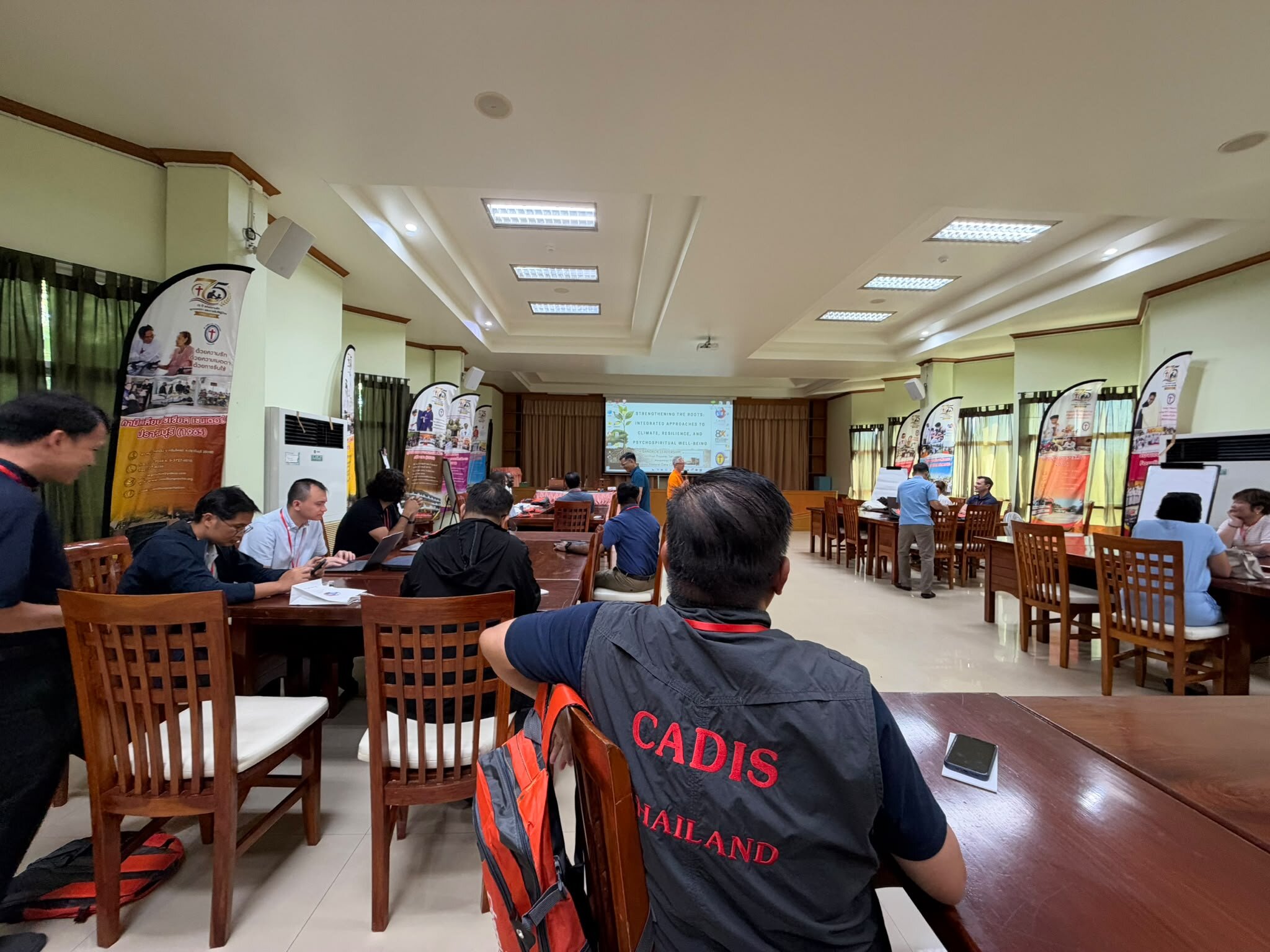
The fourth and final day of the 11th CADIS Leadership Conference at the St. Camillus Pastoral Center in Latkrabang, Bangkok (9–12 November 2026) concluded with a strong focus on translating mission into measurable community impact and unified global visibility. Building on the preceding days' reflections on community-based disaster risk reduction and synodal discernment, Day 4 equipped CADIS leaders and partners with practical frameworks across two core sessions: Results-Based Management (RBM) and Global Campaigns & Network Communication.
Part I: Reclaiming Results-Based Management (RBM) for Community Empowerment
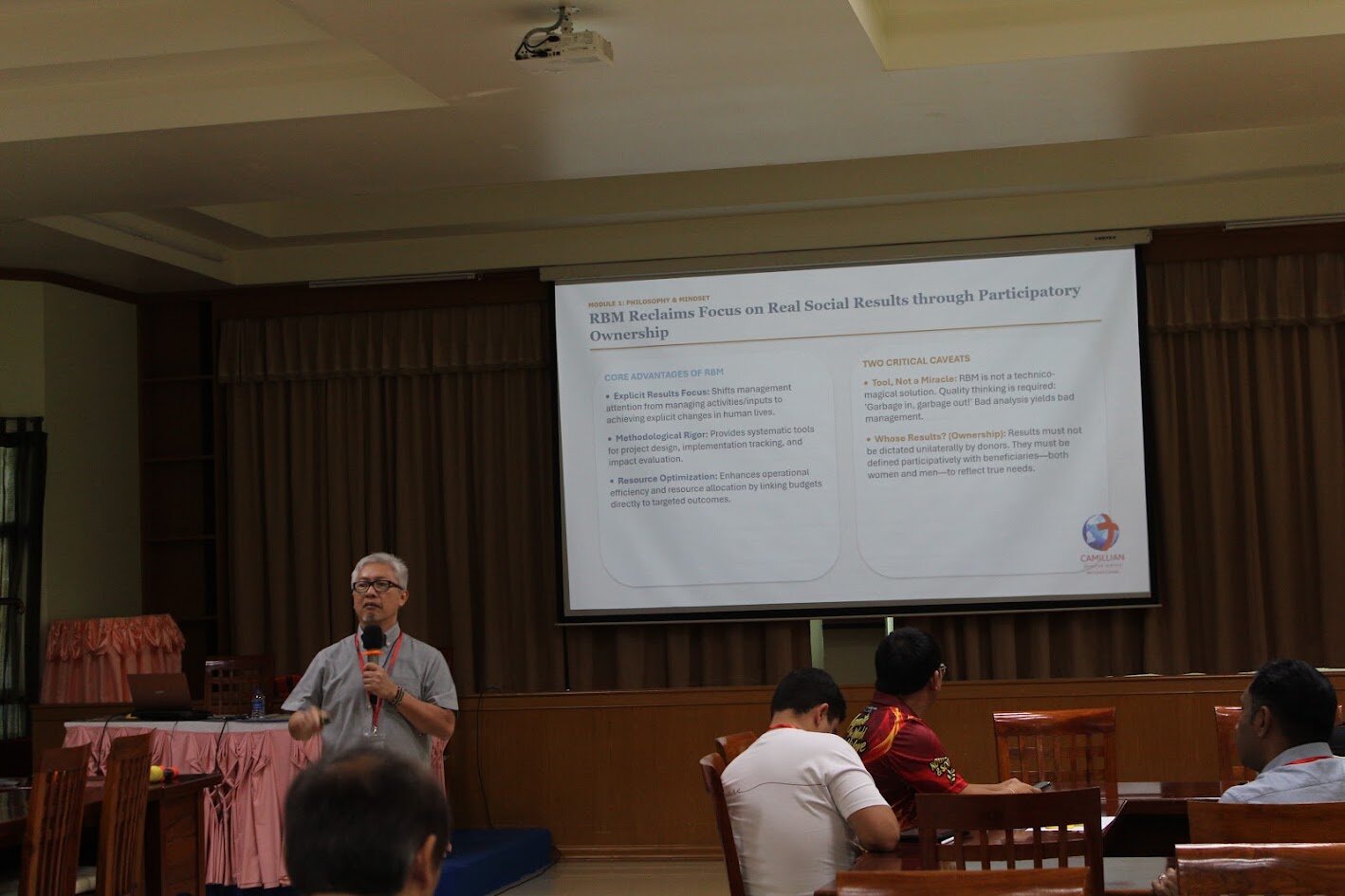
The morning session, Results-Based Management (RBM): Principles, Logic and Practice in Human Development Projects, facilitated by Fr. Aris Miranda, CADIS International Director, invited participants to examine how structured project management can serve local solidarity rather than feel like an external administrative burden.
- Adapting RBM to Local Realities: Tracing RBM’s evolution from Management by Objectives (MbO) and the Logical Framework Approach (LFA) to modern development standards, the workshop emphasized reclaiming RBM logic to empower communities. Participants reflected on two critical caveats: RBM is a tool that relies on sound thinking ("garbage in, garbage out"), and results must always be defined participatively with local women and men—never dictated unilaterally by donors.
- Levels and Categories of Results: Leaders explored the distinction between Development Results (direct improvements in living conditions, rights, and well-being), Enabling Results (strengthened partner networks, advocacy, and governance), and Management Results (upgraded internal systems and workflows). They also mapped the causal chain from short-term Outputs (within an organization's direct Sphere of Control) to medium-term Outcomes and long-term Impacts (within the broader Sphere of Influence, where risk increases and attribution is shared with local actors).
- Measuring What Matters: To ensure reliable monitoring and evaluation across the five-step RBM program cycle, the session introduced indicator triangulation—combining quantitative metrics with qualitative insights into perceptions, attitudes, and participation quality—verified against six core criteria (specificity, temporal/spatial clarity, decision utility, reliability, feasibility, and communicability).
- From Problem Trees to Logical Frameworks: In hands-on design exercises, participants practiced mapping root causes and social effects using Problem Tree Analysis, inverting them into positive solutions via Objective Trees, conducting gender-sensitive Stakeholder Analyses, and aligning narratives, indicators, and risk assumptions within the Logical Framework Matrix.
Part II: One Mission, Many Voices — Global Campaigns and Shared Storytelling
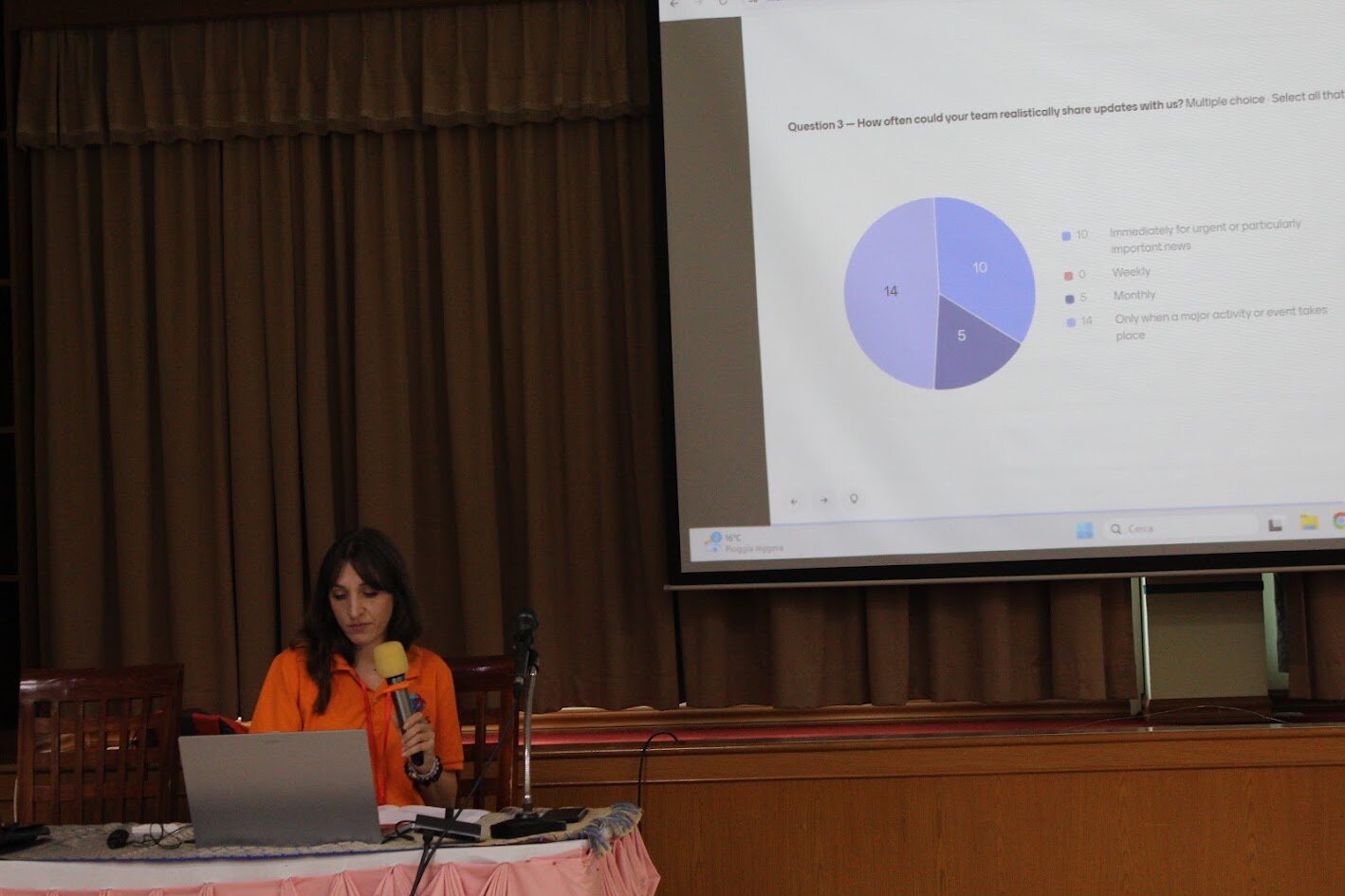
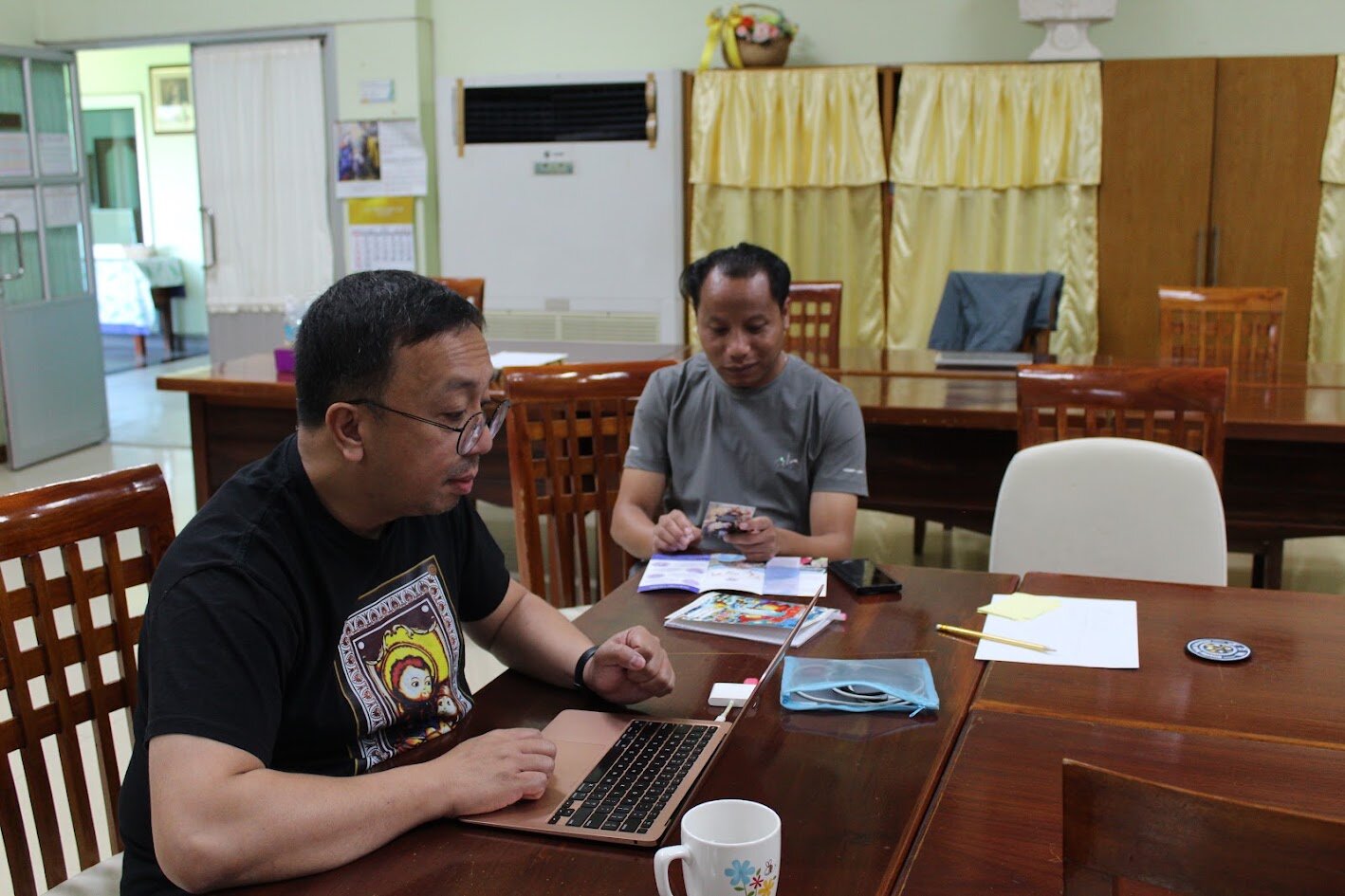
In the second session, Ms. Giulia Calibeo, CADIS International resource mobilization officer , presented One Mission, Many Voices, shifting the focus from project architecture to network-wide connection, demonstrating that CADIS International thrives not merely coordinating projects, but as a living community of shared experiences and commitments.
- Two Global Campaigns, One Shared Identity: Participants revisited the CADIS Campaign Compass, uniting local teams around two annual pillars:
- May 25 – Camillian Martyrs of Charity: Honoring those who served with courage, compassion, and faithfulness to those suffering, by liturgical commemorations, official campaign resources, and testimonies from daily ministry.
- October 13 – World Day of Prayer for the Victims of Disasters: Standing with those who survive and remembering those who have died, rooted in the conviction that a disaster is more than a statistic but stories of resilience shared with dignity and solidarity.
- The Ecosystem of Shared Visibility: Highlighting how small local posts build national awareness and global solidarity, the presentation emphasized how local teams and CADIS International work together in narrating, translating, and amplifying field updates across the network. Using the "Keep it Light" recipe—one short description (what, where, when), two to three photographs, and one consented quote—teams saw how everyday milestones, emergency responses, and lessons learned can inspire sister organizations worldwide.
- Co-Creating a Sustainable Communication System: During the interactive Co-Creation Canvas workshop, delegates moved from intention to daily practice by establishing three simple pillars for every country team:
- A Contact: Confirming one designated reference person per team.
- A Channel: Agreeing on accessible tools already in daily use (such as Email, WhatsApp, or shared folders).
- A Rhythm: Setting a realistic, consistent schedule for sharing news.
As the 11th CADIS Leadership Conference drew to a close, participants departed Bangkok with both the methodological rigor to design transformative, community-owned projects and a concrete, shared agreement to ensure every local story of resilience is seen, heard, and connected across the global Camillian family.