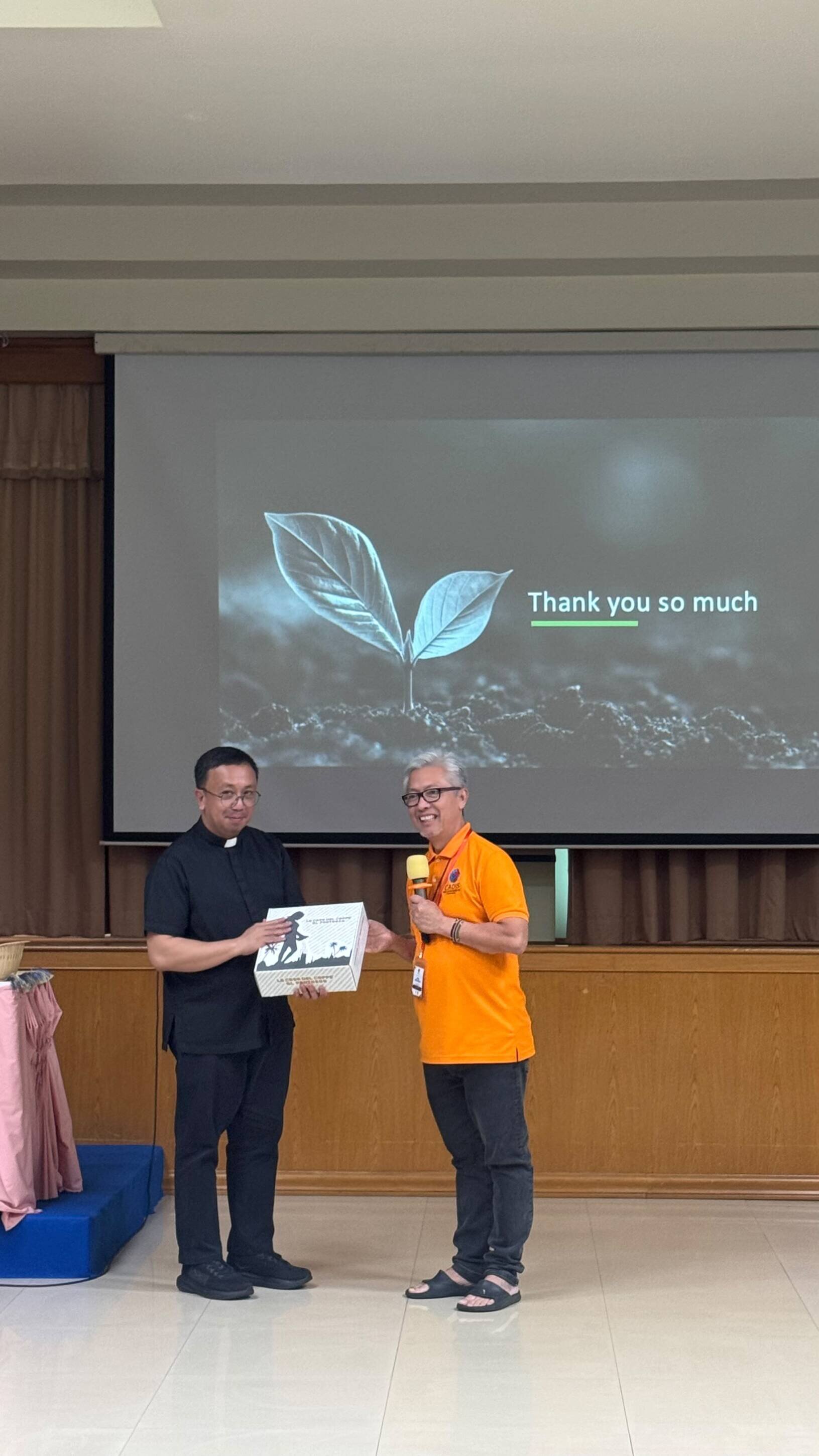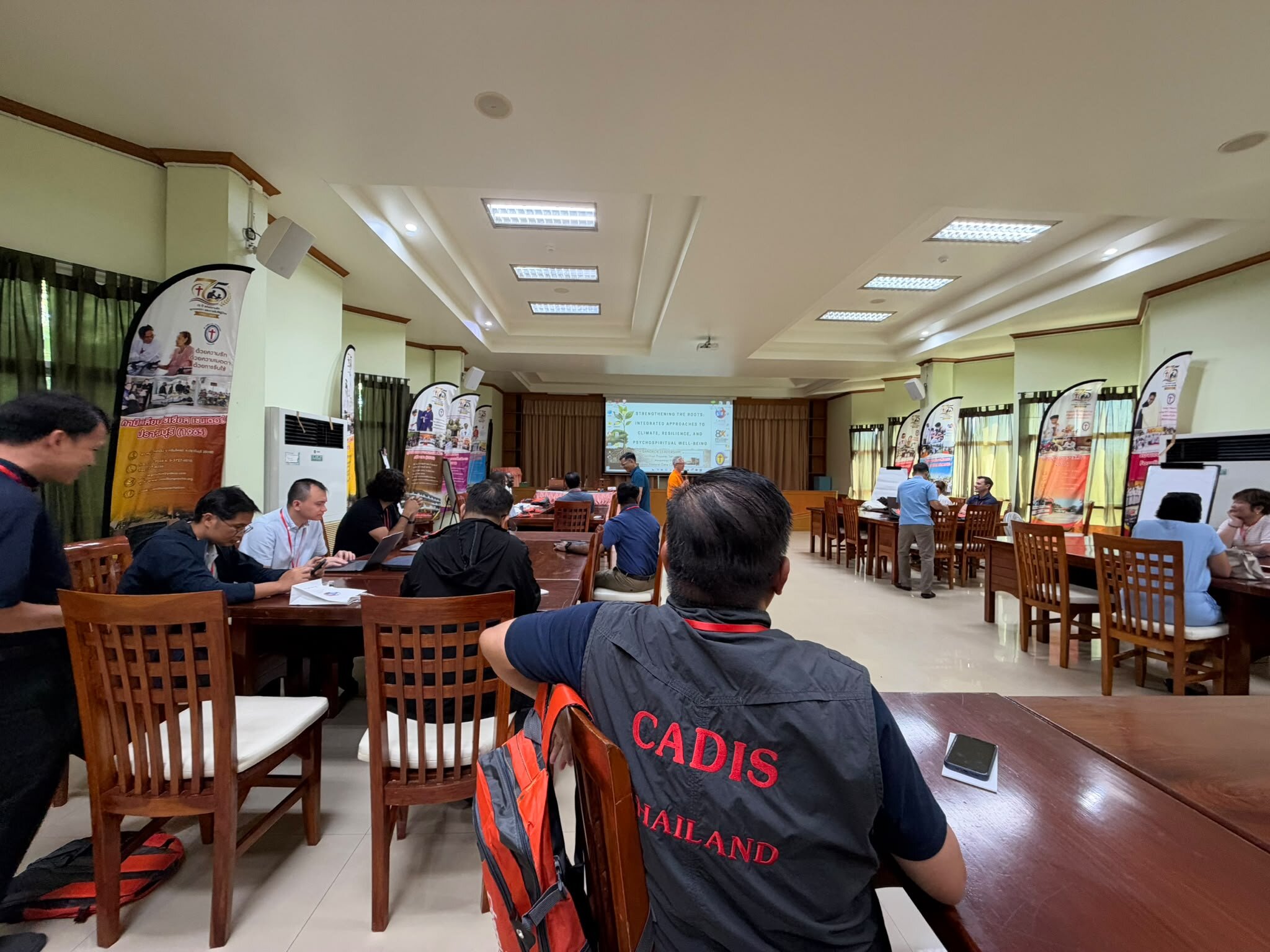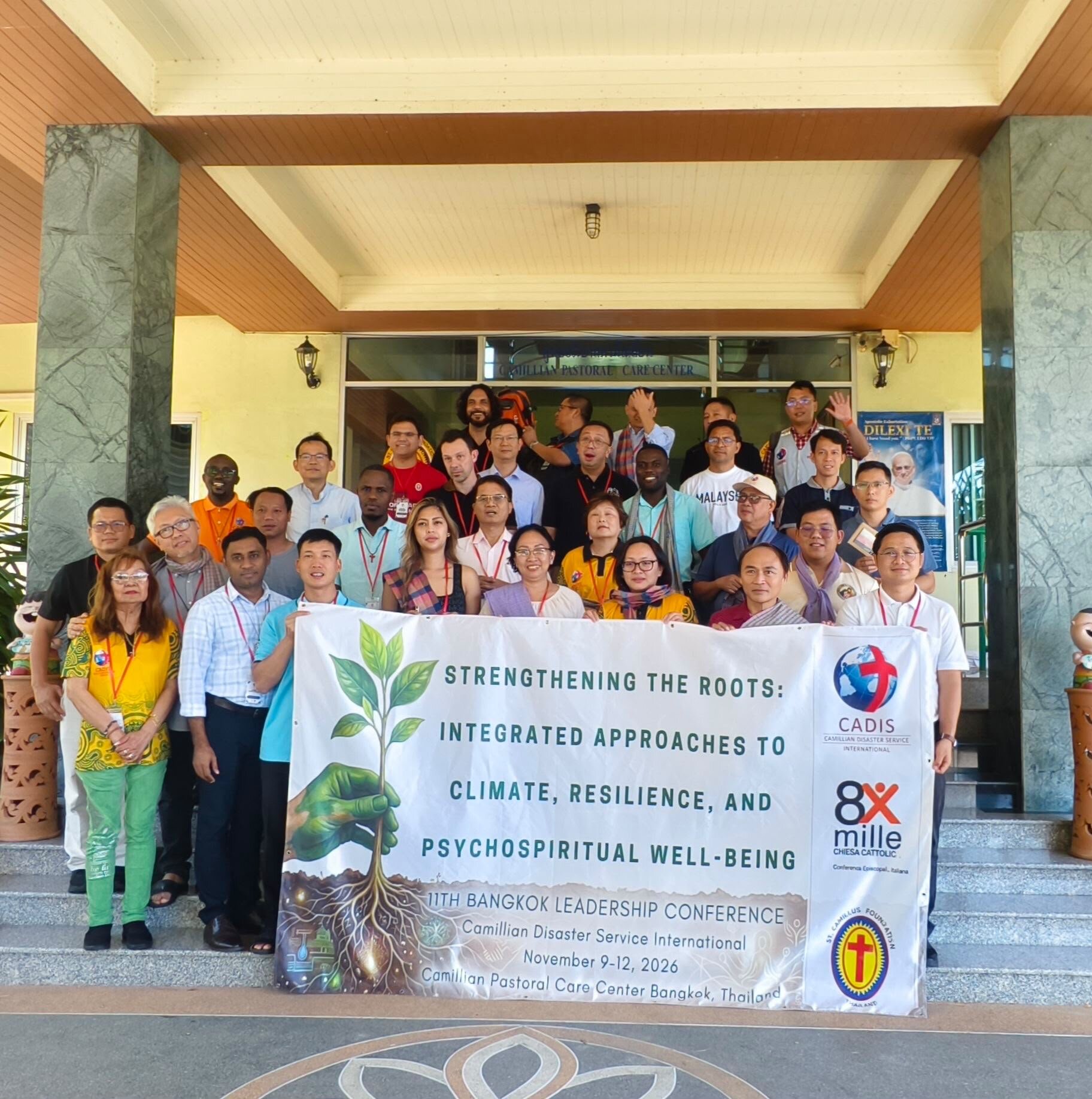
Bangkok, Thailand — Following an inspiring opening to the 11th CADIS Leadership Conference at the St. Camillus Pastoral Center, the second day shifted into an interactive session dedicated to shifting the paradigm of disaster management.
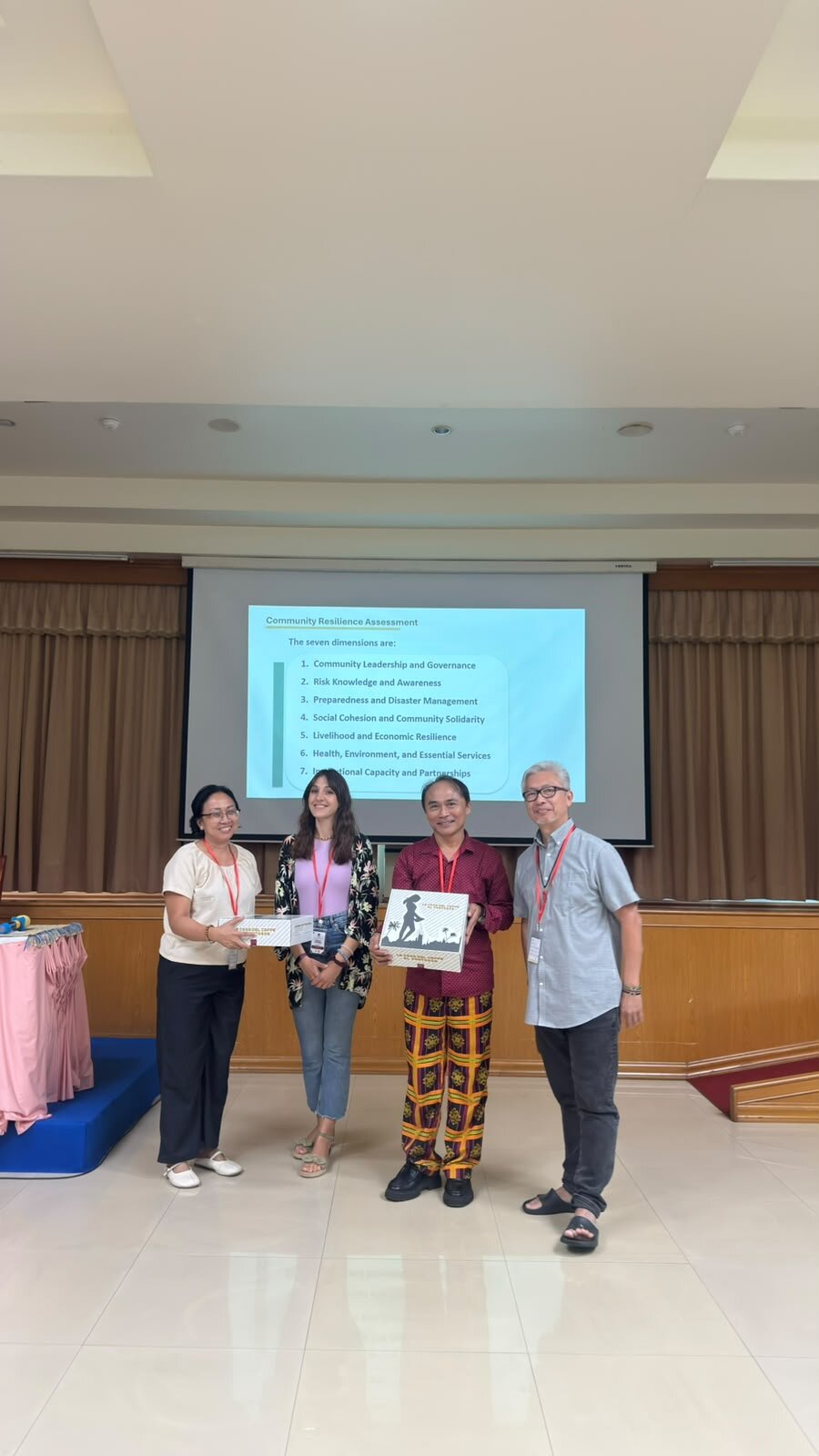
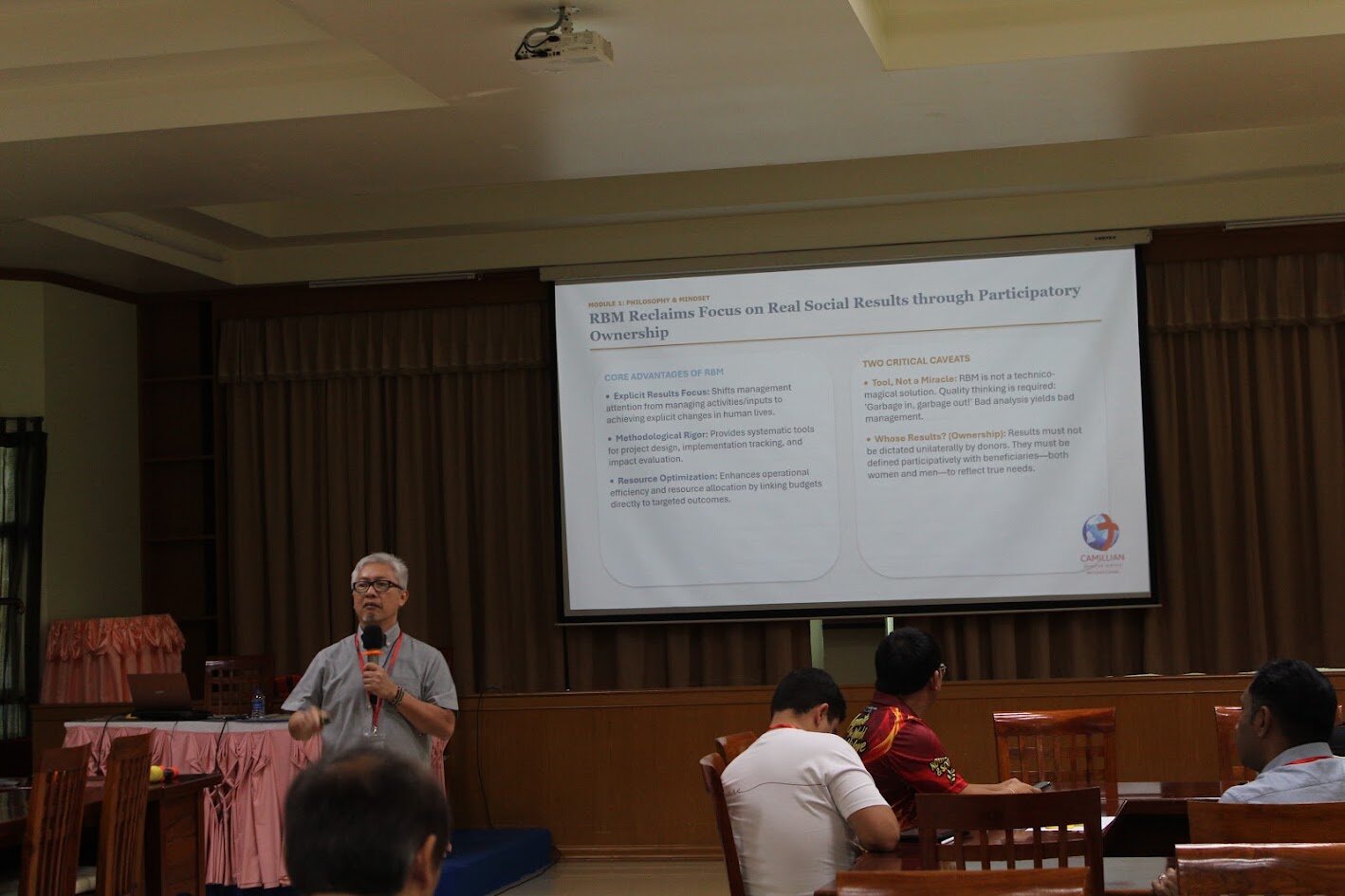
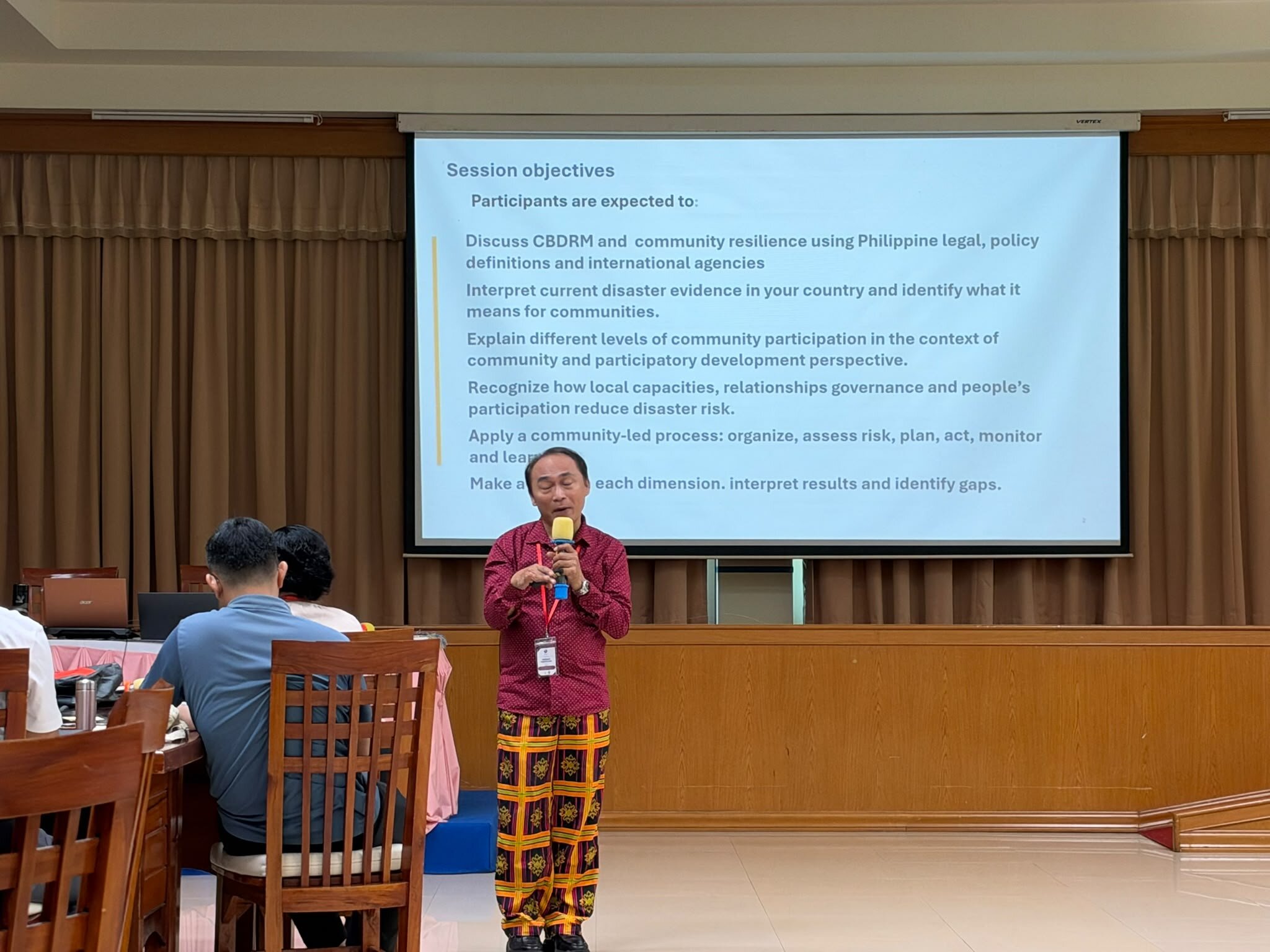
Under the banner of Community-Based Disaster Risk Reduction and Management (CBDRRM), Dr. Grace Molina and Mr. Edgar Gahisan from VPHCS Philippines facilitated the session to explore how putting local communities at the center of planning and implementation creates sustainable, long-term resilience.
Shifting the Paradigm: People at the Center
Day two opened with a fundamental question that redefines traditional humanitarian work. Under Philippine law, such as Republic Act 10121 Sec. 3(e), CBDRRM actively engages at-risk communities directly in identifying, analyzing, treating, monitoring, and evaluating disaster risks.
As highlighted throughout the presentations, CBDRRM deliberately shifts the perspective:
- From: "What will agencies do for us?"
- To: "How do we assess, decide, and act together—with government, CSOs, NGOs, faith-based organizations, and local stakeholders?"
By ensuring local voices drive decision-making, disaster management transforms from passive relief into empowered community action.
Unpacking the Core Concepts: Risk, Hazard, Exposure, Vulnerability, and Capacity
To build effective disaster response models, participants spent the morning grounding their understanding in core risk concepts:
- Disaster: A severe disruption in community functioning involving widespread human, economic, material, or environmental impacts that exceed a community’s ability to cope using only its own resources.
- Hazard: Potential events or conditions capable of causing loss of life, injury, service disruption, or environmental damage—ranging from typhoons, heavy rainfall, and flooding to earthquakes, volcanic eruptions, and landslides.
- Exposure: The physical presence of people, schools, hospitals, homes, and livelihoods located in hazard zones (e.g., riverbank settlements, coastal areas, steep slopes, or fault lines).
- Vulnerability: Social, economic, and physical conditions that heighten susceptibility to damage—including poorly constructed homes, poverty, limited access to transport or healthcare, and marginalized groups requiring extra evacuation support (such as elderly individuals, children, pregnant women, and persons with disabilities).
- Capacity: The collective strengths, skills, resources, and social networks available to anticipate and recover from disasters. Delegates emphasized that capacity goes far beyond funding; local leadership, early-warning systems, trained volunteer teams, and community cooperation are essential assets.
The 4 Pillars of DRRM in Action
Drawing from practical implementations across vulnerable regions (such as the Philippine setting), the conference mapped out the four essential pillars of comprehensive Disaster Risk Reduction and Management:
- Disaster Prevention & Mitigation: Proactive measures aimed at reducing hazards and vulnerabilities—such as hazard mapping, structural/non-structural mitigation, flood control, and strict building code enforcement.
- Disaster Preparedness: Strengthening institutional and community readiness before disasters hit via early warning systems, contingency plans, disaster drills, relief stockpiling, and training local response teams.
- Disaster Response: Immediate life-saving interventions during and right after an emergency, including search and rescue, evacuation setup, emergency relief distribution, and community emergency funds.
- Disaster Rehabilitation & Recovery: Long-term restoration under the "Build Back Better" approach, focusing on rebuilding resilient infrastructure, reviving livelihoods, and providing vital psychosocial support.
Why Community Resiliency Matters: Translating Evidence into Local Action
The afternoon discussions highlighted why multi-hazard preparedness is critical in an era of complex environmental challenges.
- Preparedness must be multi-hazard: Communities accustomed to typhoon protocols must also build specialized readiness for earthquakes, including structural safety checks, clear evacuation routes, and family reunification strategies.
- Displacement is complex: Relief efforts cannot focus solely on formal camps; assistance must proactively reach displaced individuals staying with host families or in informal sites.
- Recovery is social: True recovery encompasses shelter, healthcare, education, livelihood protection, community networks, and mental/psychosocial well-being.
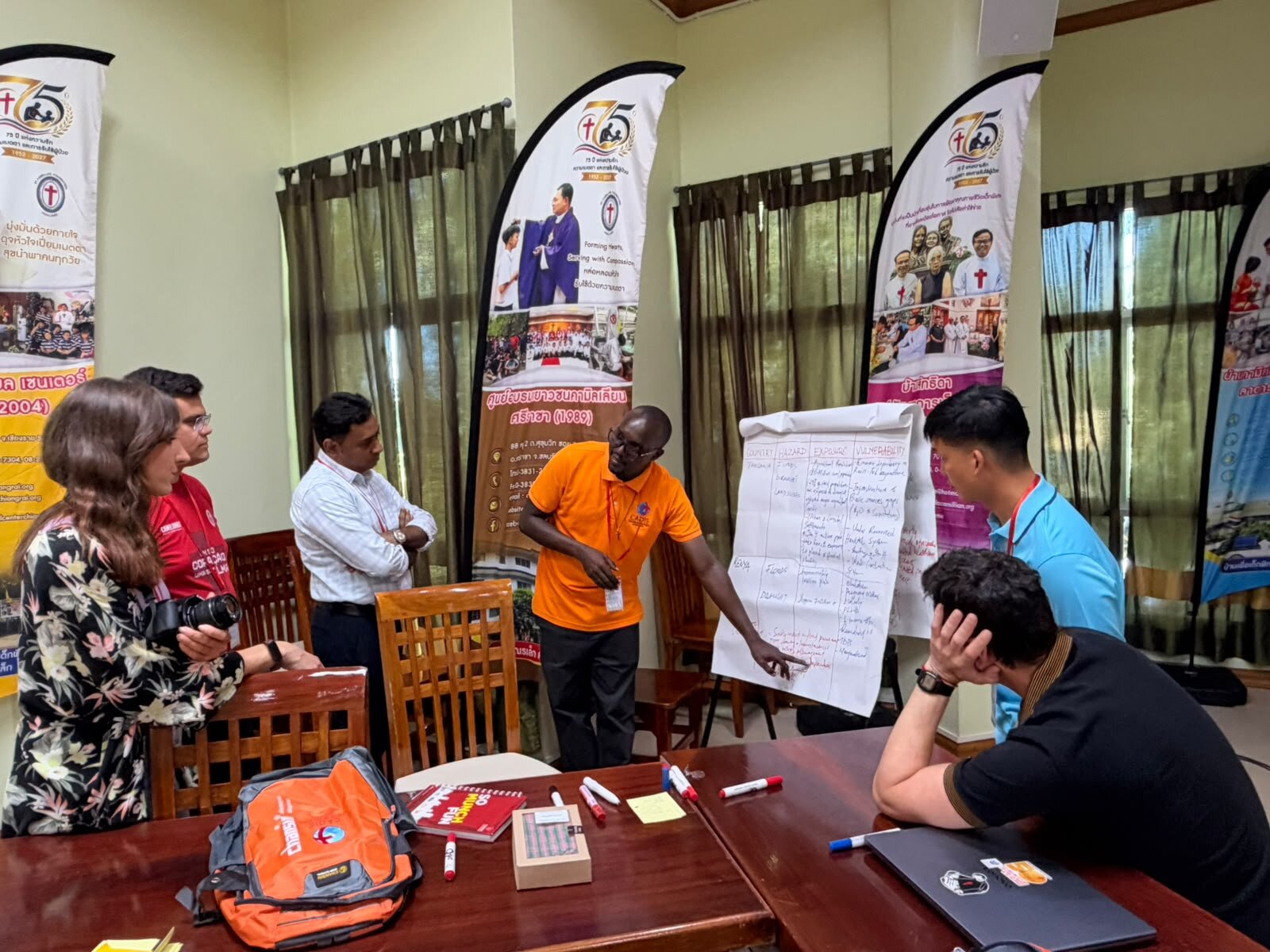
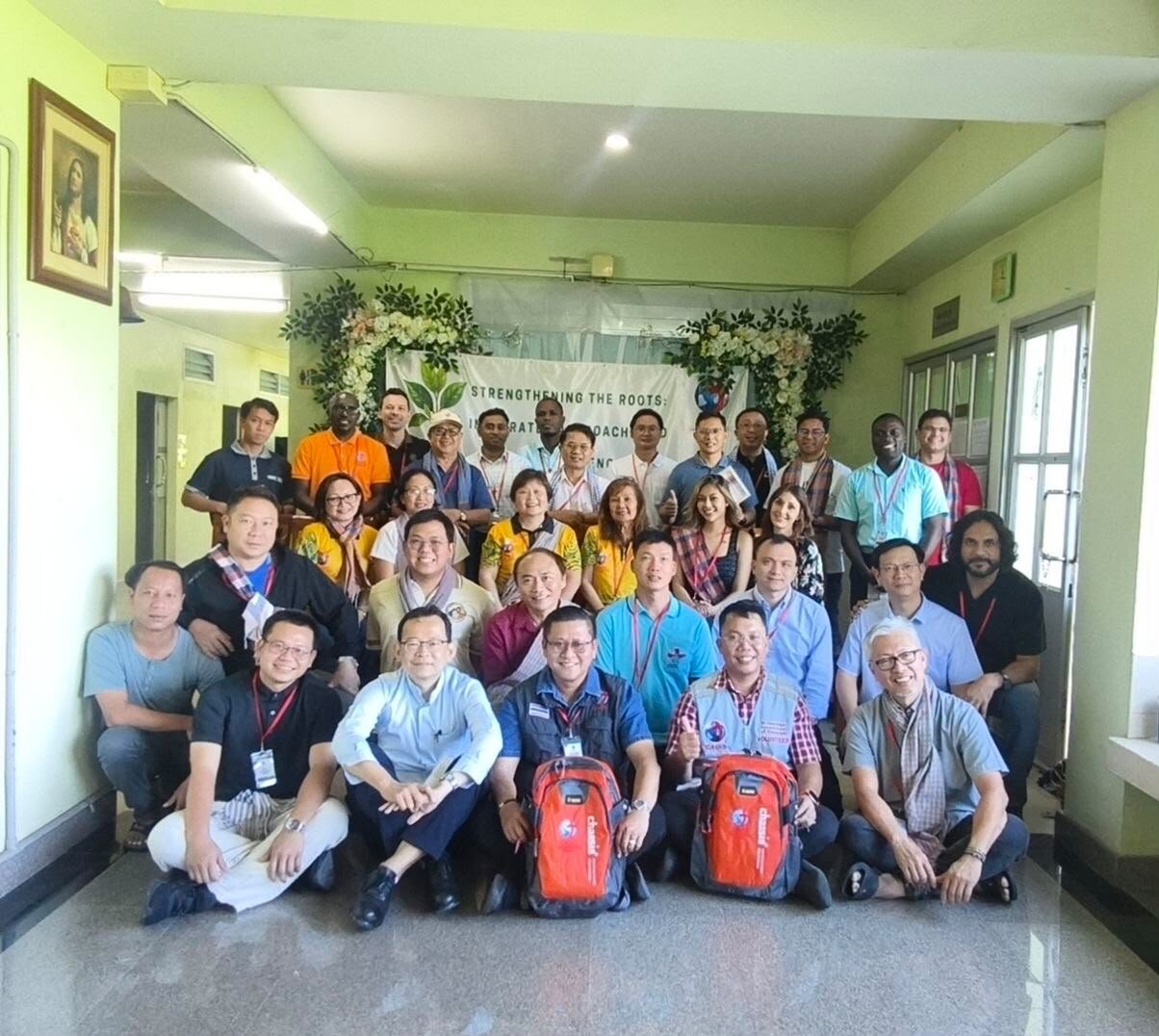
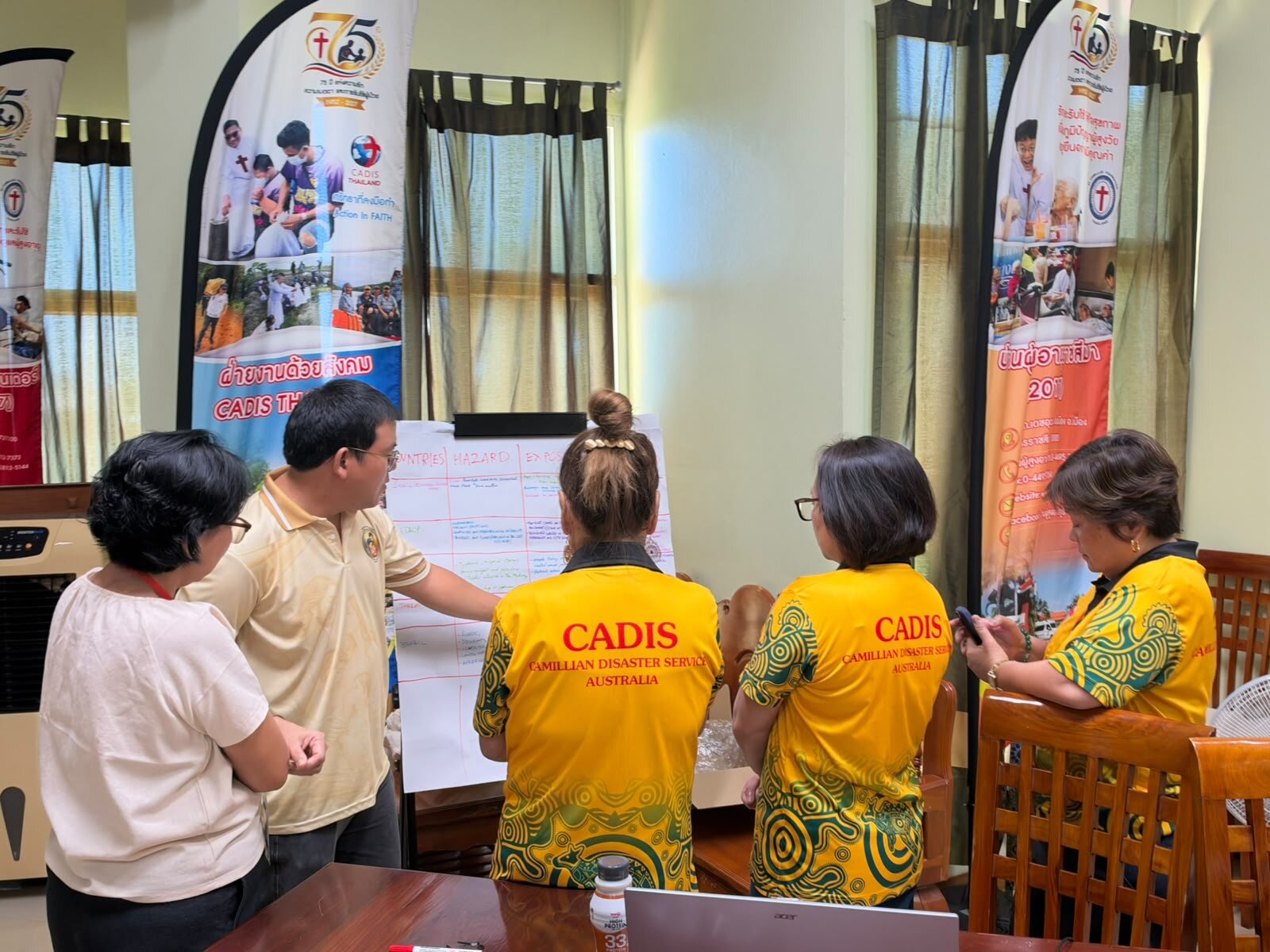
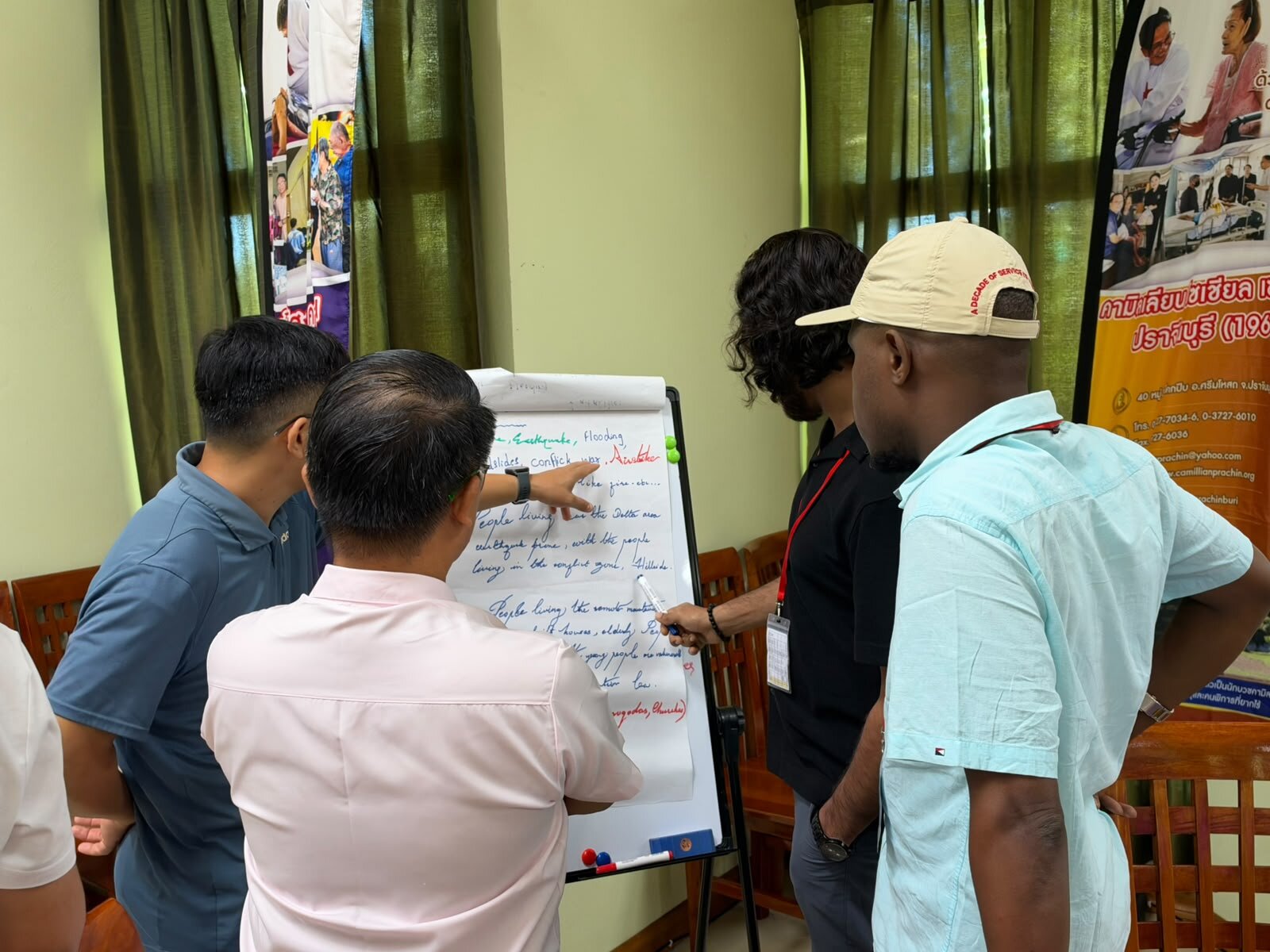
Starting on the second day, participants engaged in a practical exercise mapping specific Hazards, Exposure, and Vulnerabilities across participating countries (India, Kenya, Tanzania, Vietnam, Spain, Italy, Australia, Brazil, Thailand, Philippines, Taiwan, and Indonesia).
Key Synthesis & Findings
- Universal Hazard Spectrum: The results reflect a mix of severe hydro-meteorological hazards (typhoons, flash flooding, droughts, storm surges), geological threats (earthquakes, volcanic eruptions, landslides), and human-induced/geopolitical stresses (air pollution/PM2.5, armed conflict, forced displacement, and political instability).
- Exposed Assets & Populations: Across both developing and developed nations, geographic exposure consistently targets rural agricultural communities, coastal/riverbank settlements, urban centers, infrastructure, and displaced populations seeking refuge across borders.
- Core Vulnerability Drivers: While high-income countries like Australia face vulnerabilities tied to environmental balance, extreme weather change, and low-lying housing, developing regions face systemic structural challenges—primarily poverty, poor housing quality, inadequate basic services, limited healthcare capacity, language/legal barriers for migrants, and governance gaps.
Conclusion
The workshop findings demonstrate that while hazards are largely dictated by geography and climate, disaster risk is overwhelmingly amplified by socio-economic vulnerabilities. The country-by-country breakdown reinforces CADIS's core theme: effective disaster management cannot rely solely on post-disaster relief. Instead, local capacity-building, inclusive infrastructure, and community-centered policy action are essential to mitigating risks before disasters occur.
As day two concluded, a central message echoed throughout the venue: A truly resilient barangay or community plans for the continuous delivery of essential services—not just temporary relief distribution.
Armed with refreshed frameworks and shared experiences, CADIS leaders move into the next phase of the conference ready to translate these principles into actionable humanitarian programs worldwide.