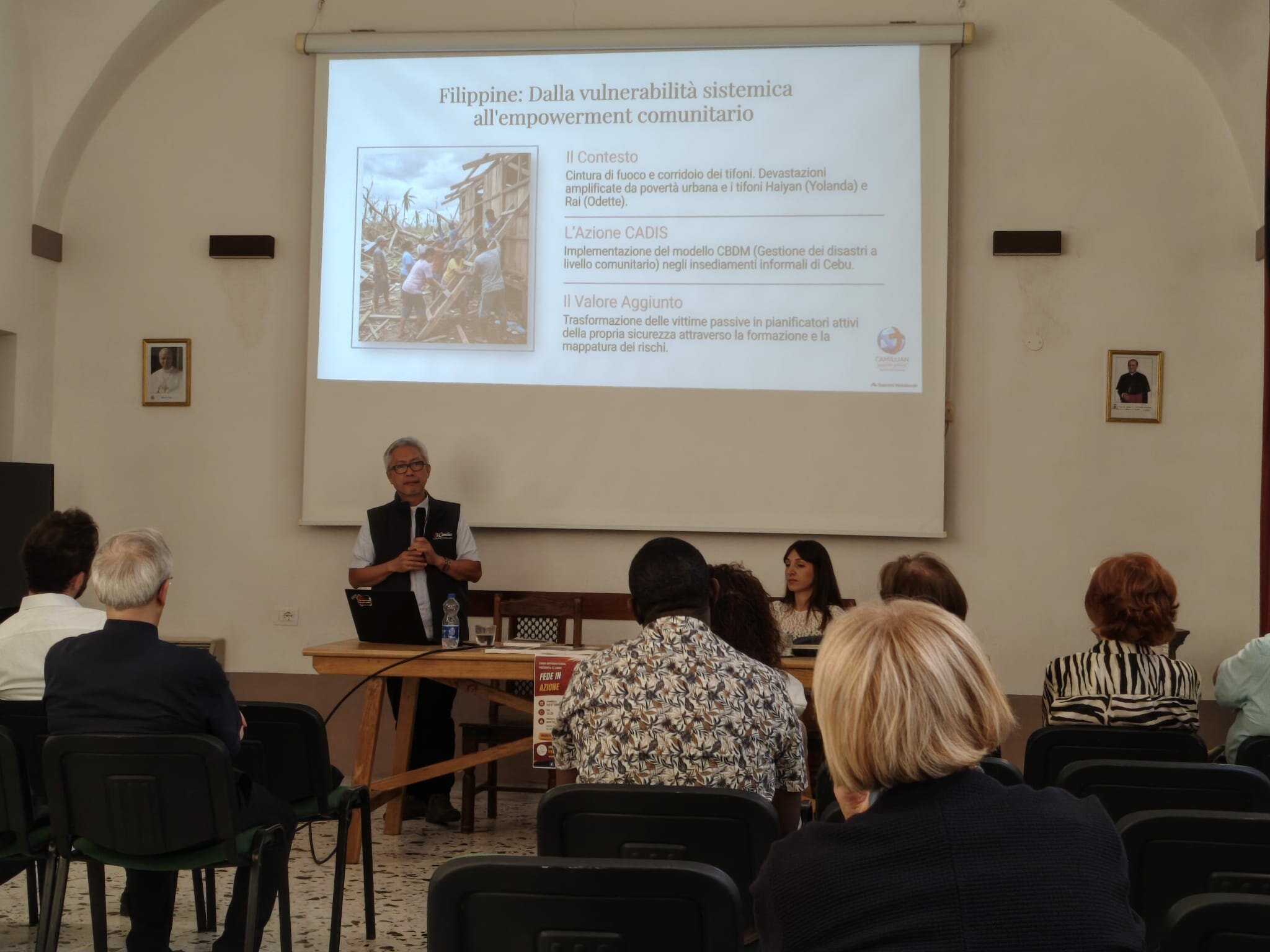
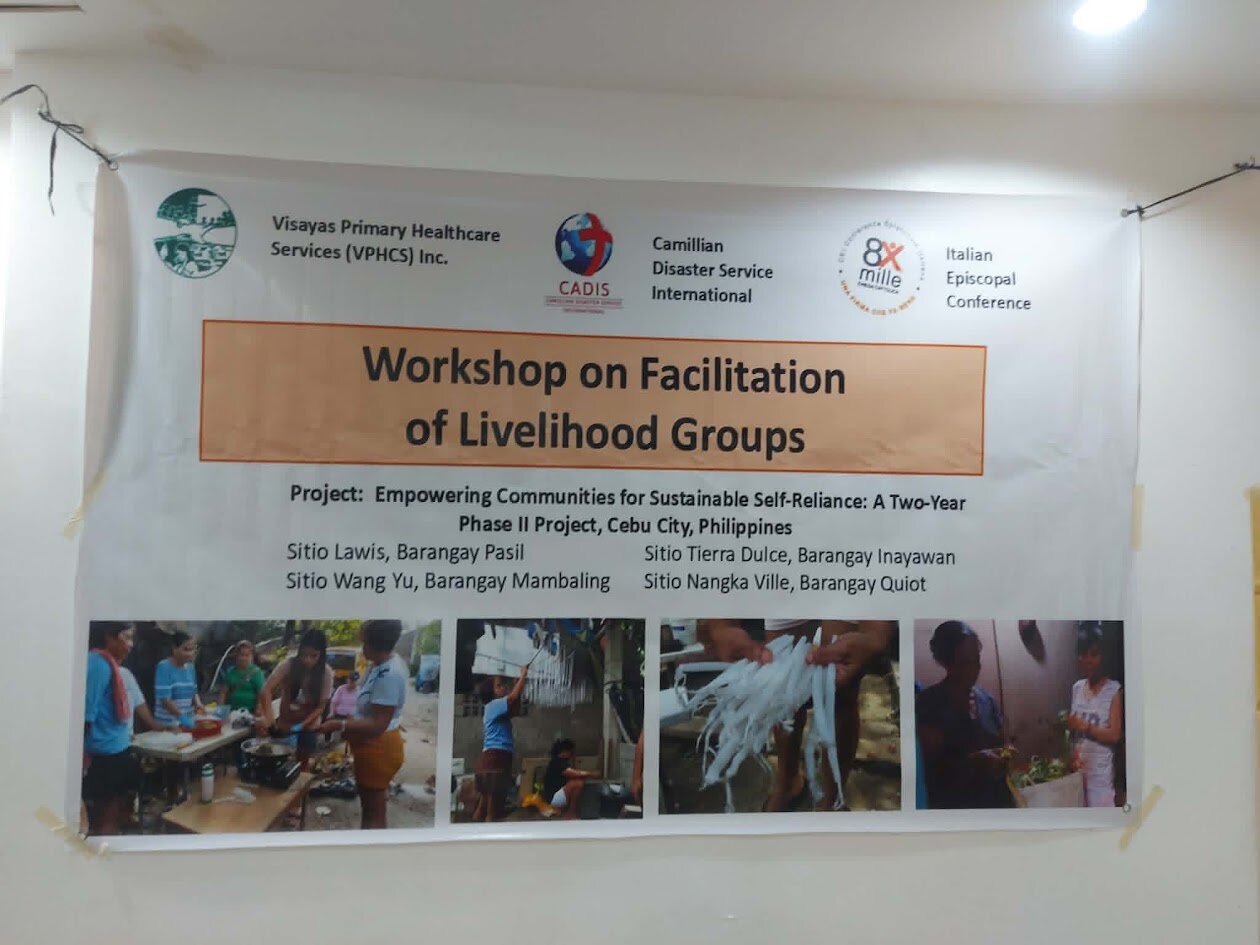
The Visayas Primary Healthcare Services, Inc. (VPHCS) has officially launched a comprehensive two-year initiative titled "Strengthening Communities for Sustainable Self-Sufficiency." Commencing in May 2026, the program aims to build long-term community resilience by directly addressing public health vulnerabilities, disaster risks, economic insecurity, and organizational capacity across urban partner settlements.
The project directly engages four primary beneficiary groups: the Sitio Lawis Pasil Women’s Association, Tierra Dulce Homeowners Association, Sitio Wang Yu Women’s Association, and Sitio Nangka Ville Women’s Association. Broader community participation was also secured from neighboring organizations in Sitio Seaside and Sitio Colo.
Project Implementation Highlights: May–June 2026
The initial two-month phase focused on foundational planning, securing local partnerships, and gathering critical baseline data through structured capacity-building workshops.
May 2026: Internal Setup & Community Consultations
- Operational Planning: VPHCS staff conducted internal coordination meetings to establish implementation schedules, map out year-one priorities, assign team roles, and design participatory field methods.
- Stakeholder Alignment: VPHCS conducted courtesy visits and consultative meetings with the leadership of all four primary partner organizations. Community leaders formally pledged support to mobilize their memberships for upcoming activities.
June 2026: Capacity-Building Workshops
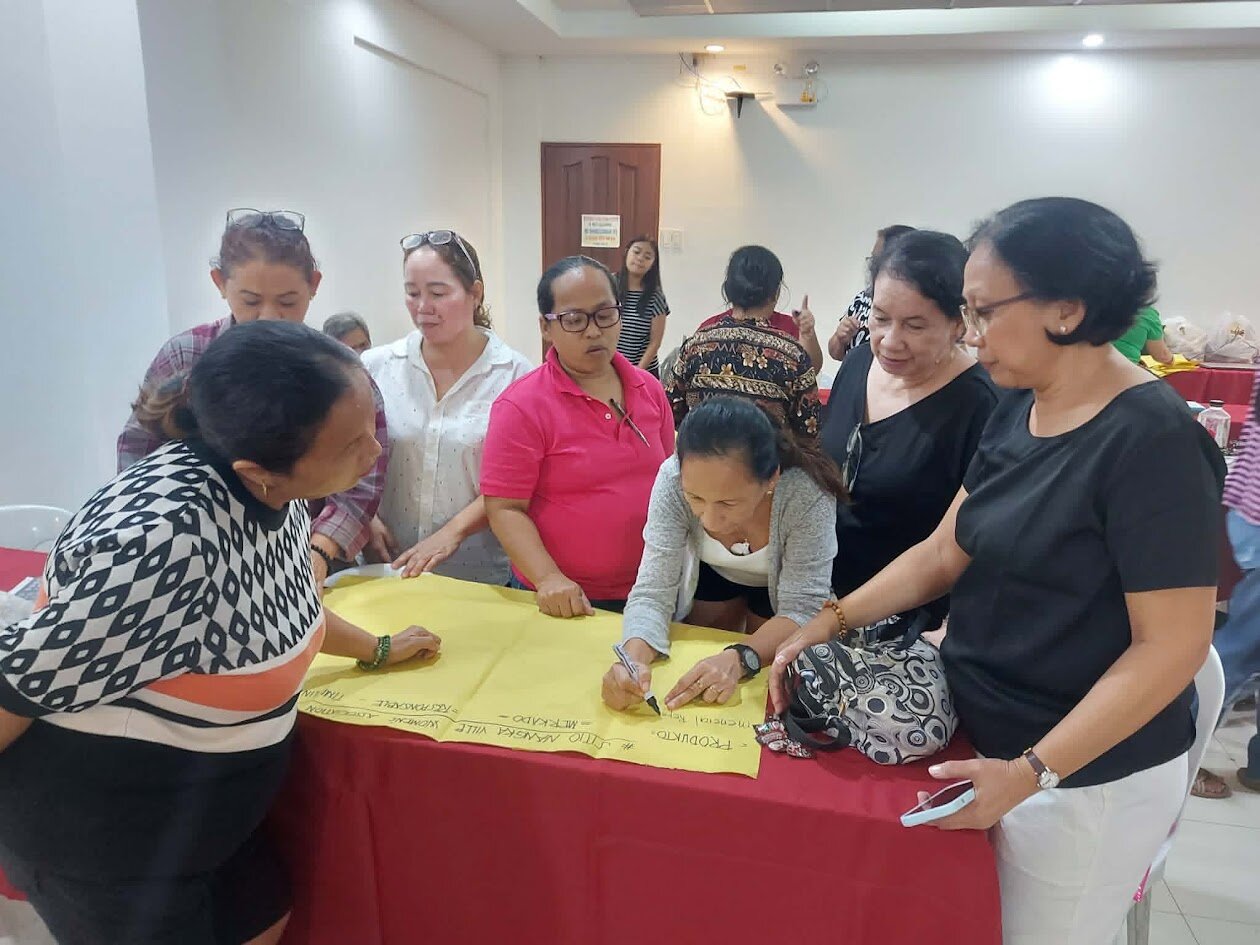
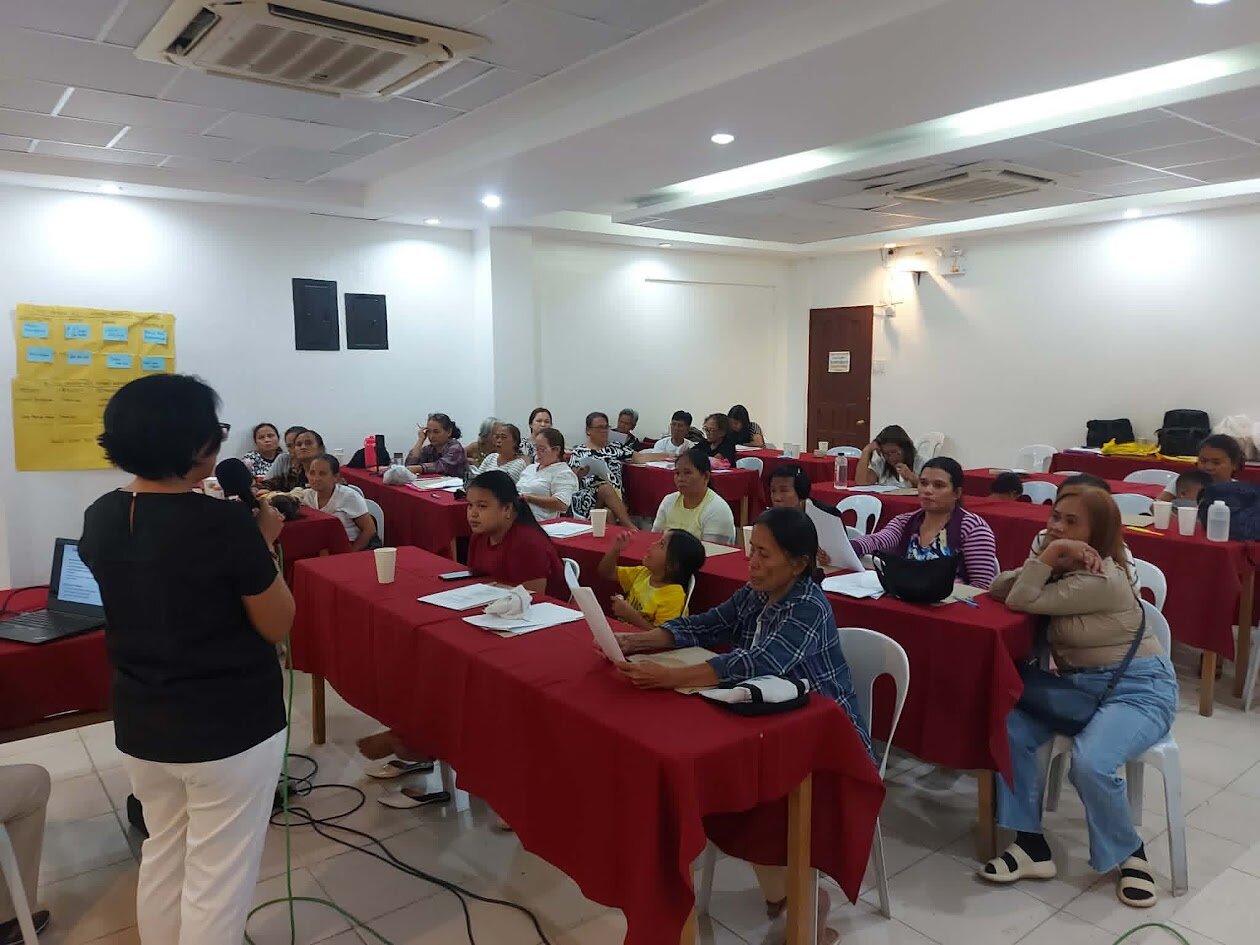
VPHCS facilitated two intensive, multi-day workshop series across all partner sites:
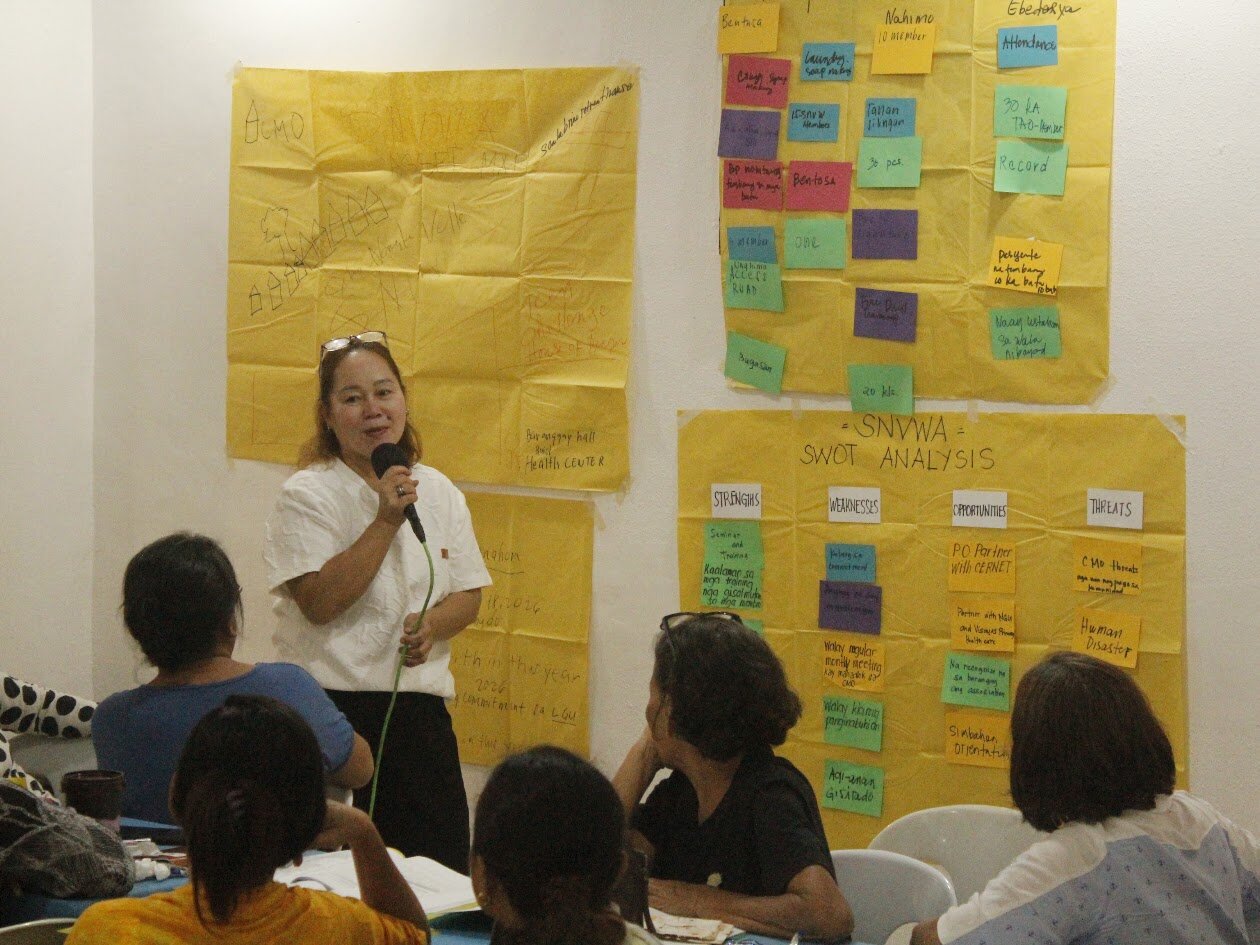
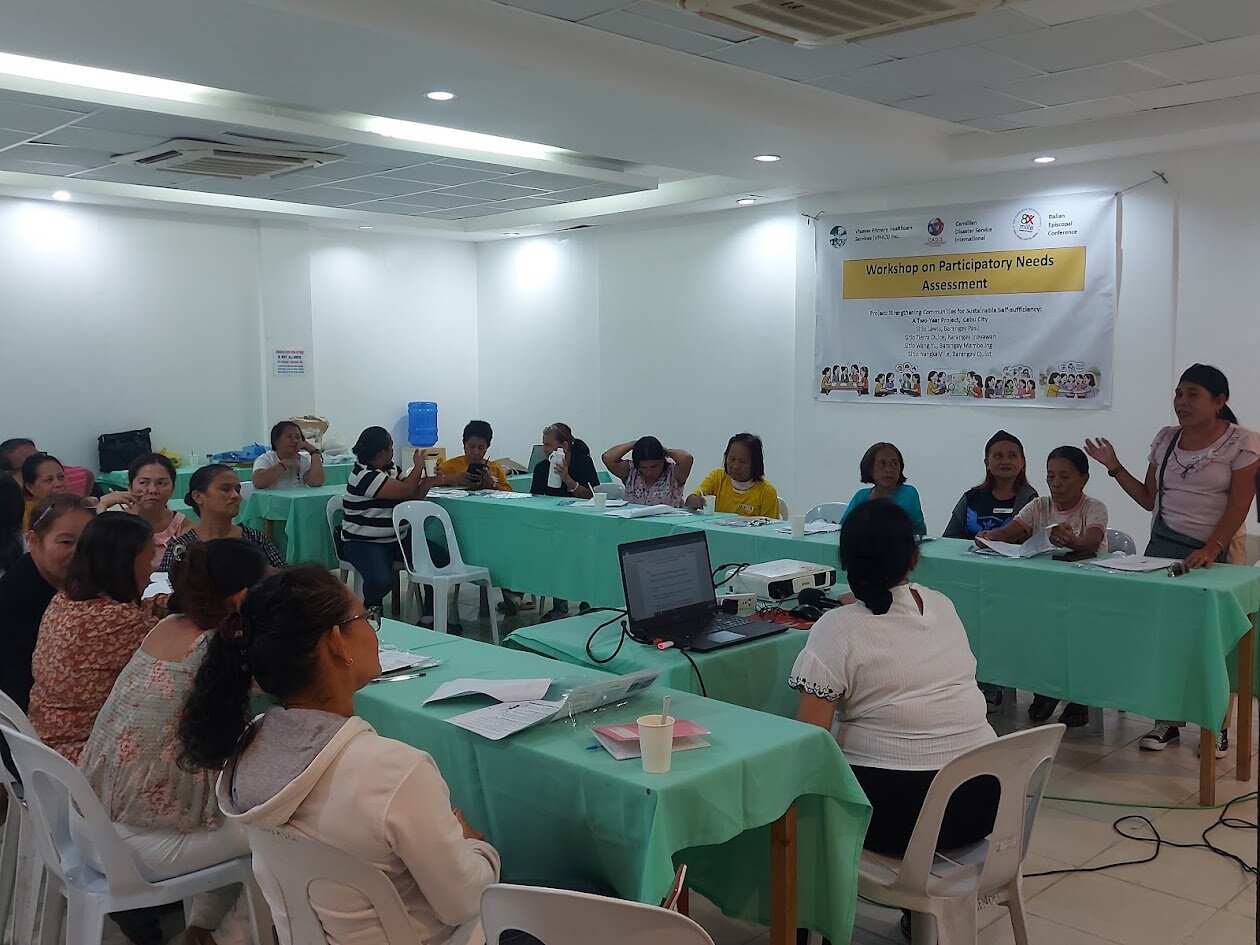
- Participatory Needs Assessment (PNA) Workshops (June 6–7): Community members analyzed local challenges, mapped existing resources, and identified operational gaps.
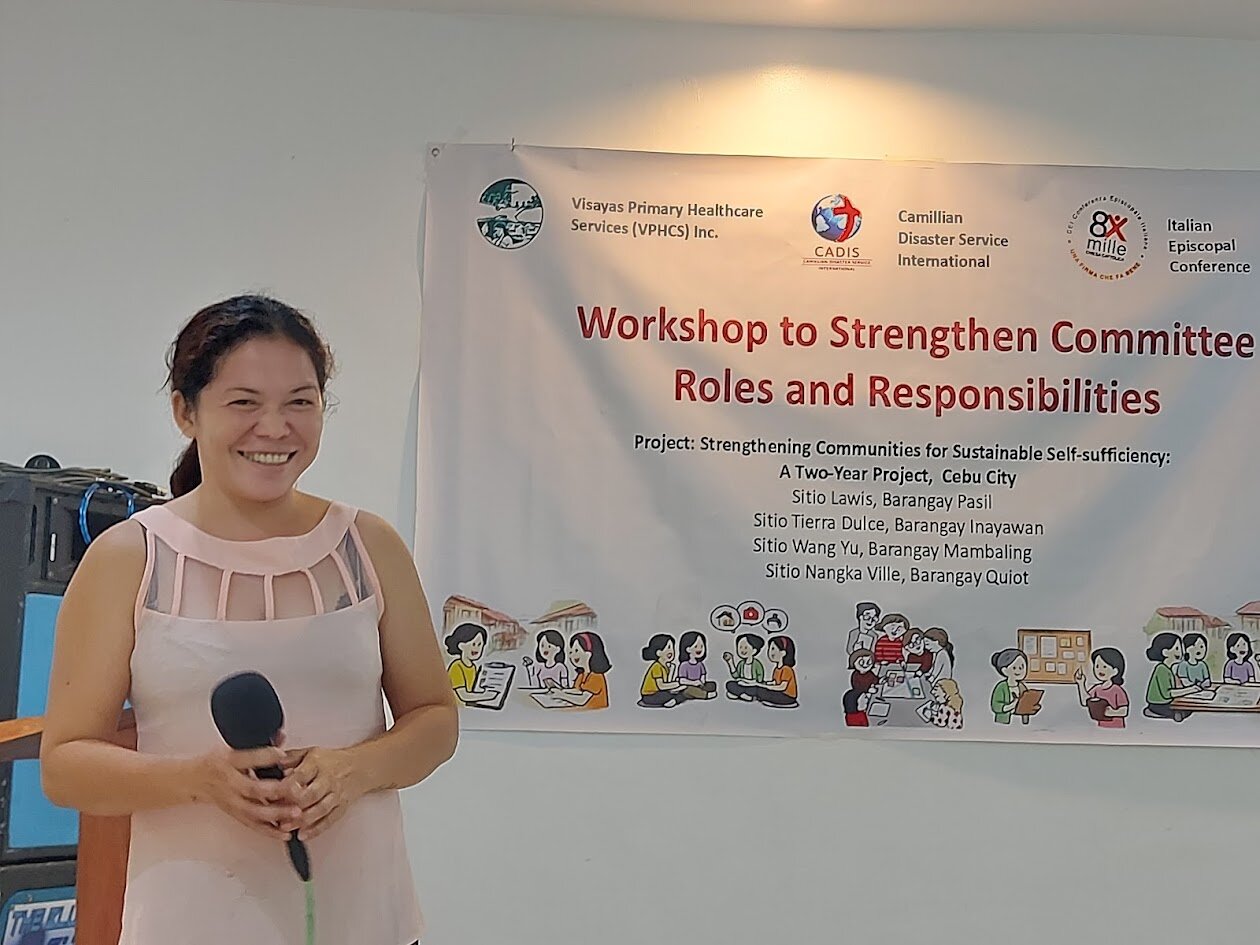
- Committee Roles & Leadership Workshops (June 13–14): Targeted organizational governance, framing leadership as a form of community service centered on trust, active communication, transparent decision-making, and proactive problem-solving.
Key Baseline Findings & Priority Focus Areas
The participatory assessments revealed four distinct operational challenges across the partner communities:
- Livelihood & Economic Development: Widespread income instability and the rising cost of basic goods are pushing households into financial distress. Existing micro-ventures—such as small-scale vending, backyard livestock, urban farming, and home sewing—yield insufficient returns. Communities requested vocational skills training, micro-entrepreneurship programs, access to seed capital, and sustainable income-generating projects.
- Public Health & Community Nutrition: Hypertension and childhood malnutrition were flagged as prevailing health crises. Financial constraints frequently prevent residents from seeking clinical care, driving a high demand for regular health monitoring, community feeding programs, and training for local health workers.
- Disaster Risk Reduction & Environmental Sanitation: Coastal communities like Sitio Wang Yu report frequent flooding caused by seawater intrusion and accumulated marine trash. Dense residential areas reported severe fire hazards, a lack of emergency response gear, and inadequate drainage systems. Residents requested disaster risk reduction seminars, fire-fighting equipment, evacuation planning, and organized waste management campaigns.
- Organizational Development: Partner leaders recognized that long-term program sustainability depends on strong internal governance. Members prioritized ongoing training in committee management, ethical leadership, and conflict resolution to maintain member engagement.
- Leadership as Service: Through hands-on workshops, community members redefined leadership as an act of service rather than a position of power. They emphasized that effective leaders build trust through transparency and integrity, unite people through clear communication and active listening, and drive lasting community progress using strategic vision, sound judgment, and practical problem-solving.
Looking Ahead
The baseline data gathered during May and June 2026 will directly inform the design of upcoming interventions. The initial two months of the CADIS-supported project successfully built strong community and organizational partnerships while identifying key baseline needs through June workshops focused on health, livelihood, disaster preparedness, and environmental management. These insights will direct future interventions, supported by high community enthusiasm and appreciation for ongoing participation.
With support from CADIS and local stakeholders, VPHCS will transition into delivering targeted technical training, health monitoring frameworks, micro-livelihood support, and disaster response equipment across the participating Cebu City communities over the next two years.